
Resin Bond vs. Electroplated Diamond Sanding Belts: A Buyer's Comparison Guide
A resin bond diamond sanding belt holds diamond or CBN grain distributed through a resin layer on a cloth or film backing, which makes it the more conformable option for finishing, edge rounding and multi-step polishing. An electroplated diamond sanding belt holds a single layer of diamond locked in place by electrodeposited nickel, which makes it the more aggressive option for stock removal and form retention on hard materials. The bond type — not the diamond itself — is usually what decides achievable surface finish, belt life, edge quality on brittle parts, coolant requirements and how many steps a grinding sequence needs.
This comparison guide is written for buyers in the evaluation stage who already know they need a diamond abrasive belt and now have to choose between the two dominant bond systems. It covers the trade-offs in production terms, the diamond-versus-CBN abrasive decision, wet and dry operation, application fit for stone, glass, ceramic and monocrystalline silicon, and the procurement factors that determine whether a supplier can repeat the specification: OEM production, packing and logo customization, MOQ, lead time, testing and warranty.
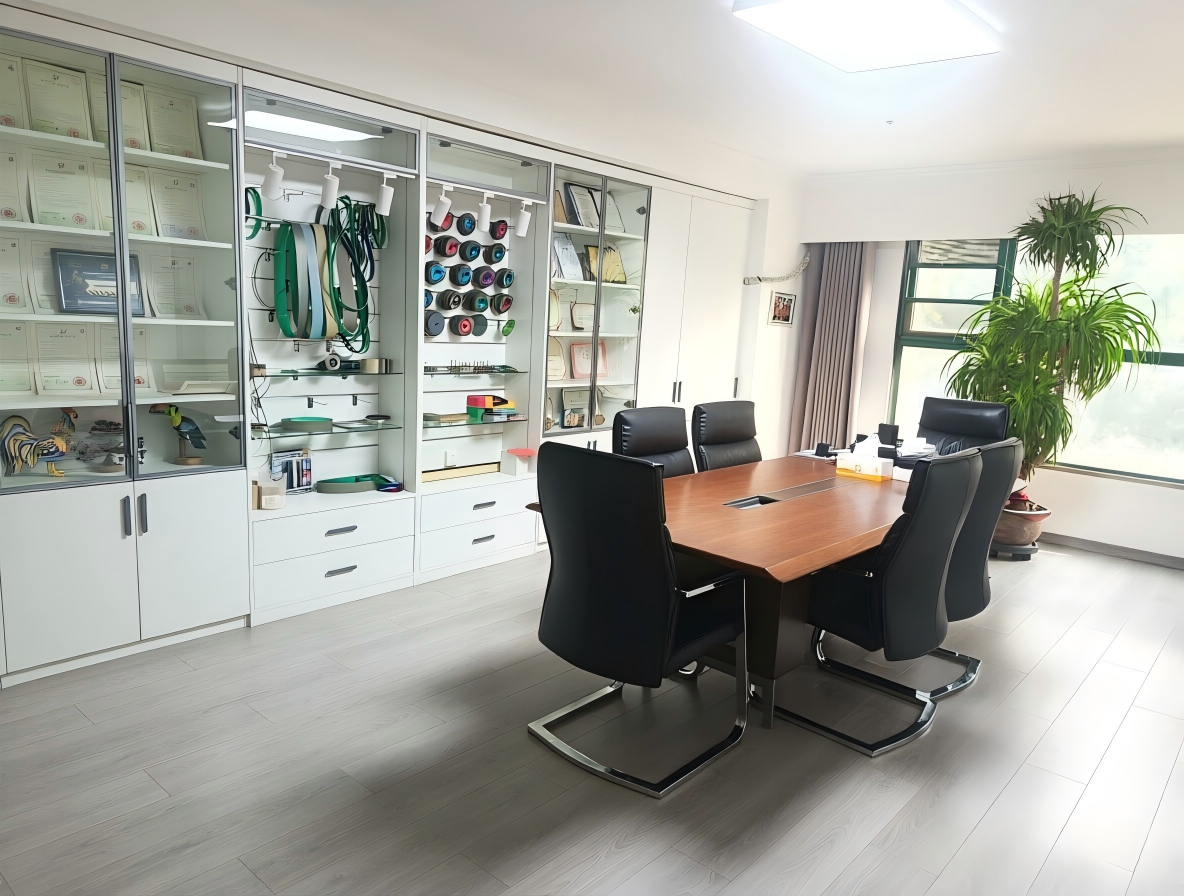
Zhengzhou Ruite Diamond Belts Co., Ltd (RUITE) — manufacturer of diamond and CBN coated abrasive products.
What the Bond Decision Actually Controls
The bond is the material that anchors abrasive grain to the belt backing. Resin bond belts carry grain through a resin layer, so fresh grain is exposed as the layer wears. Electroplated belts carry a single layer of grain held by electrodeposited nickel, so cutting stays aggressive but ends when that layer is worn through.
Bond type influences six things that show up on a production line:
- Stock removal rate per pass;
- Achievable surface finish, and how many polishing steps are needed after grinding;
- Edge integrity on brittle materials such as glass, ceramic and monocrystalline silicon;
- Heat tolerance, and whether the belt can run dry or must run wet;
- Belt life model — gradual wear in a resin layer versus a single-layer end point;
- Cost per finished part, once belt changes and rework are included.
Most specification errors are predictable, and they all trace back to a mismatched bond:
- An electroplated belt used for a finishing pass on glass or ceramic edges can chip the edge instead of polishing it;
- A resin finishing belt pushed to remove heavy stock can glaze over and stop cutting;
- A plated belt run dry at high pressure can overheat both the workpiece and the plating;
- A sequence specified with only one bond type often needs an extra polishing step that was never budgeted.
Because these problems surface as quality issues rather than as purchasing issues, the bond decision is often left to whoever writes the process sheet, or to whatever the supplier offers by default. Buyers get more predictable results when the bond is specified explicitly in the RFQ, together with the workpiece material, the finish target and the coolant condition.
Market Background: Demand, Regulation and Supplier Landscape
Diamond and super-abrasive belts sit inside a larger diamond tools market that Global Market Insights valued at USD 10.8 billion in 2024 and projected to reach USD 19.5 billion by 2034. The coated abrasive belt category specifically — all abrasive materials, not only diamond — was valued at approximately USD 3.2 billion in 2025 by Cognitive Market Research, with a projected CAGR of 5.3% through 2033.
Demand is strongest where conventional abrasives struggle. The thermal spray coatings market, a key application for diamond belts used on tungsten carbide and similar sprayed layers, is expected to reach USD 15.28 billion by 2031 (Mordor Intelligence). Mordor Intelligence also notes that diamond-based super-abrasives are critical for post-processing in additive manufacturing, where cavitation abrasive surface finishing can lower roughness below 5 µm — a finishing range conventional belts rarely reach on hard alloys and ceramics.
Two regulatory changes affect sourcing assumptions in this category. China's Ministry of Commerce (MOFCOM) implemented export controls on specific superhard materials — including diamond grinding wheels with tooth hardness ≤30 HRB and grain size ≤5 μm — under Announcement No. 55 of 2025, effective November 8, 2025. China's Ministry of Finance (MOF) also cancelled the export tax rebate, previously 9–13%, for abrasive products including grinding wheels, sandpaper and abrasive cloth and belts, effective April 1, 2026. Buyers running long-run programs should re-check landed-cost assumptions and documentation requirements with their supplier.
On the supply side, market research on the super-abrasive and diamond belt segment (Market Research Future) identifies key global competitors as 3M, Saint-Gobain (Norton), KGS Diamond, Hermes Schleifmittel and Tyrolit. Alongside these, manufacturer-exporters in China supply OEM and own-brand diamond belts to European and North American buyers. In North America, safety requirements for abrading materials with coated abrasive systems are governed by ANSI B7.7 — one of the standards a buyer can ask a supplier to confirm against.
Resin Bond Diamond Sanding Belts: Construction and Behaviour
How the bond is built
In a resin bond belt, diamond or CBN grain is mixed into a resin binder that is applied to a cloth backing and cured. Because the grain is distributed through the layer rather than sitting only on the surface, the belt keeps cutting as the resin wears and new grain is exposed. Layer depth and resin hardness can be adjusted for different materials and finish targets.
Where resin bond fits
Resin bond belts are generally the better choice when the priority is finish quality, edge integrity and process stability rather than maximum stock removal. Typical fits include final grinding and polishing of ceramic edges; glass edging where chip-free edges matter more than cycle time; stone and lapidary work; finishing of monocrystalline silicon; and the medium and fine grit steps of a sequence after stock has already been removed.
Limits to plan for
The trade-off is cutting efficiency. A resin bond belt removes less material per pass than an electroplated belt of comparable grit, so it is a poor first choice for heavy stock removal on tungsten carbide or thick thermal spray coatings. Resin also softens under sustained heat, which means dry grinding at high pressure shortens belt life; where the process runs hot, wet operation or a shorter dry cycle is the practical answer.
Electroplated Diamond Sanding Belts: Construction and Behaviour
How the bond is built
An electroplated belt carries a single layer of diamond grain, mechanically locked to the backing by electrodeposited nickel. The grain sits proud of the nickel layer, which is why a plated belt cuts aggressively from first contact and why it holds form on precision edges and profiles.
Where electroplated fits
Plated belts are generally specified for stock removal and for applications where part geometry must be preserved: grinding thermal spray coatings before finishing; heavy removal on tungsten carbide tooling; first-pass removal on ceramic tile; trimming and edge rounding of composite materials; and deburring of carbide parts.
Limits to plan for
The single layer is the limitation. Once the plated nickel and the exposed diamond are worn through, there is no fresh grain beneath, so working life is defined by that layer rather than by gradual wear. Plated belts are also heat-sensitive: excessive pressure or a dry cycle can overheat the workpiece and damage the plating. For continuous production, wet grinding is generally recommended and pressure should stay within the belt's specification.
Diamond or CBN? Matching the Abrasive to the Material
Bond choice answers “how aggressive”; abrasive choice answers “which material”. Diamond is the standard super-abrasive for hard, brittle, non-ferrous materials — stone, glass, ceramic, monocrystalline silicon, cemented carbide and thermal spray coatings are all diamond applications. CBN (cubic boron nitride) is generally preferred where iron-group metals are involved, such as steels and some high-temperature alloys, because diamond is not the best match for those chemistries at grinding temperatures.
The practical consequence for buyers is that a request for “diamond sanding belts” on a high-temperature alloy application may legitimately come back with a CBN recommendation instead. RUITE — Zhengzhou Ruite Diamond Belts Co., Ltd — developed diamond sanding belts, diamond flap discs, diamond spiral bands and diamond hand pads, and also researched higher-level super coated abrasives including CBN belts, CBN flap discs, CBN spiral bands and CBN hand pads. Having both abrasive families available from one manufacturer makes it easier to keep a mixed-material grinding cell on a single supplier, provided the technical recommendation is documented in writing.
Wet or Dry: Choosing the Grinding Condition
Both bond systems can be supplied for dry and wet grinding, but the two are not interchangeable. Wet grinding controls heat at the contact point, carries swarf away and usually improves finish consistency and belt life. Dry grinding avoids coolant handling and drying steps, and is common where a part must not be contaminated by fluid, but it narrows the acceptable pressure and cycle-time window.
As a working rule, the harder the material and the more aggressive the bond, the stronger the case for wet operation. Electroplated belts on tungsten carbide or thermal spray coatings are usually run wet; resin belts on ceramic and glass can often run either way, with wet preferred for finer finishes. The intended condition should be stated on the specification, because backing, bond and joint are selected accordingly.
Step-by-Step: How to Select a Bond Type for Your Process
- Define the material and the defect you are avoiding. Start from the workpiece — glass, ceramic tile, monocrystalline silicon, tungsten carbide, thermal spray coating, composite — and from the failure that matters: edge chipping, surface roughness, heat damage or slow cycle time.
- Set the finish target in measurable terms. Roughness value, visual standard or downstream process requirement. The finish target decides how much work is left for resin bond steps.
- Choose the abrasive: diamond or CBN. Diamond for hard brittle non-ferrous materials; CBN where iron-group metals are present. Confirm with the supplier when the alloy is unusual.
- Choose the bond for each step of the sequence. Electroplated for stock removal and form retention; resin for medium and fine steps, edge rounding and polishing.
- Set the grit sequence. Coarse, medium and fine grits are normally combined in one sequence, and the bond can change between steps — a plated coarse belt followed by resin medium and fine belts is one pattern buyers use.
- Choose the belt construction. Endless (jointed) belts for machine grinding; flexible diamond belts and diamond abrasive cloth belts for contoured or irregular surfaces; backing matched to the contact wheel or platen.
- Confirm wet or dry operation and write it into the specification rather than leaving it to the operator.
- Validate on your own parts. A sample run should record cycle time, finish, edge condition and belt life per part, because the same specification can behave differently on different machines.
- Confirm the supply plan. OEM production, packing and logo customization, MOQ, lead time, testing protocol and warranty — see the procurement section below.
Use Cases: Bond Selection by Application
Glass edging — resin bond for chip-free edges
Glass edging puts a premium on edge integrity. Resin bond belts are generally used for the final shaping and polishing passes, while plated belts can be used earlier in the sequence where removal rate matters and the edge is not yet at final dimension.
Ceramic tile — plated for removal, resin for finishing
Ceramic tile grinding is a stock removal problem first and a finish problem second, so electroplated diamond abrasive belts are typically used for the heavy passes and resin bond belts for edge rounding and surface finishing.
Stone and lapidary work — flexible resin belts
Stone and lapidary diamond sanding belts are usually flexible constructions, because the work involves contoured and hand-held surfaces rather than flat contact wheels. Resin bond flexible belts follow the profile without digging in.
Monocrystalline silicon — fine resin steps
Silicon is brittle and high-value, so the grinding sequence favors controlled removal and fine finishes. Resin bond belts on medium and fine grits reduce the risk of subsurface damage compared with aggressive single-layer products.
Thermal spray and tungsten carbide — plated then resin
Diamond sanding belts for thermal spray coatings and tungsten carbide parts usually start with electroplated belts to bring the coating to dimension, then finish with resin bond belts to reach the final surface requirement.
Carbide deburring and edge rounding — plated for form, resin for blend
Deburring carbide parts and rounding edges needs a belt that holds its form and does not round over the geometry. Plated belts retain form; resin belts are used where the requirement is a blended, polished edge rather than a sharp one.
Composite materials — bond choice follows the matrix
Composites can smear or burn if the abrasive loads, so open structure, grit and bond matter more than the abrasive type alone. Both bond systems are used, and the selection is normally confirmed by sample testing on the actual laminate.
High-temperature alloys — check the abrasive first
Where the workpiece contains iron-group metals, the abrasive question (CBN versus diamond) usually comes before the bond question, and the supplier's technical recommendation should be documented before the bond is fixed.
Comparison Table: Resin Bond vs. Electroplated Diamond Belts
| Decision variable | Resin bond diamond sanding belt | Electroplated diamond sanding belt |
|---|---|---|
| Abrasive retention | Diamond or CBN grain distributed through a resin layer; new grain is exposed as the layer wears | Single layer of diamond mechanically locked by electrodeposited nickel |
| Stock removal rate | Moderate; best used after coarse stock removal | Aggressive; intended for heavy stock removal |
| Achievable finish | Fine to very fine, with a smooth progression across grits | Limited by the exposed single layer; often used ahead of a resin finishing step |
| Edge behaviour on brittle materials | More conformable; lower risk of chipping on glass, ceramic and silicon edges | Higher pressure can chip brittle edges; requires controlled feed and pressure |
| Heat and coolant | More tolerant of short dry cycles; wet operation improves finish and life | Heat-sensitive; wet grinding generally recommended for continuous use |
| Belt life model | Gradual wear with continued grain exposure | Life ends when the plated layer is worn through |
| Position in a grit sequence | Medium and fine grits; edge rounding and polishing | Coarse and medium grits; stock removal and form retention |
| Best-fit materials | Stone, glass, ceramic, monocrystalline silicon, cemented carbide, thermal spray coatings | Tungsten carbide, thermal spray coatings, ceramic tile, composites, carbide deburring |
| Abrasive options | Diamond and CBN | Diamond |
| Belt construction | Flexible diamond belts and endless belts on cloth backing | Generally stiffer; endless construction available within specification limits |
The table reflects general bond behaviour and the application information above. Final specification should be confirmed by sample testing on your own material and machine.
Procurement Checklist: What to Confirm Before Ordering
Bond selection decides performance; procurement capability decides whether that performance arrives consistently. For a diamond belt order, the following factors are worth confirming in writing.
| Procurement factor | Confirmed supply specification |
|---|---|
| Production model | OEM production |
| Customization | Packing and logo customization |
| Minimum order quantity | 50 units |
| Production lead time | 30–45 days |
| Monthly capacity | 1,000 units |
| Quality control | 100% testing |
| After-sales | 12-month shelf life quality warranty, free technical consultation, replacement for defective batches |
| Export markets | EU and USA |
Two further documents are worth requesting. First, the current certificate for the market you sell into, with validity dates checked — certificates expire, and an expired document creates a compliance problem at the border rather than at the grinder. Second, the safety standard the product is built to; ANSI B7.7 governs coated abrasive system safety requirements in North America.
If the belt will be sold under your own brand, packing and logo customization should be confirmed at sample stage rather than after the production order is placed.
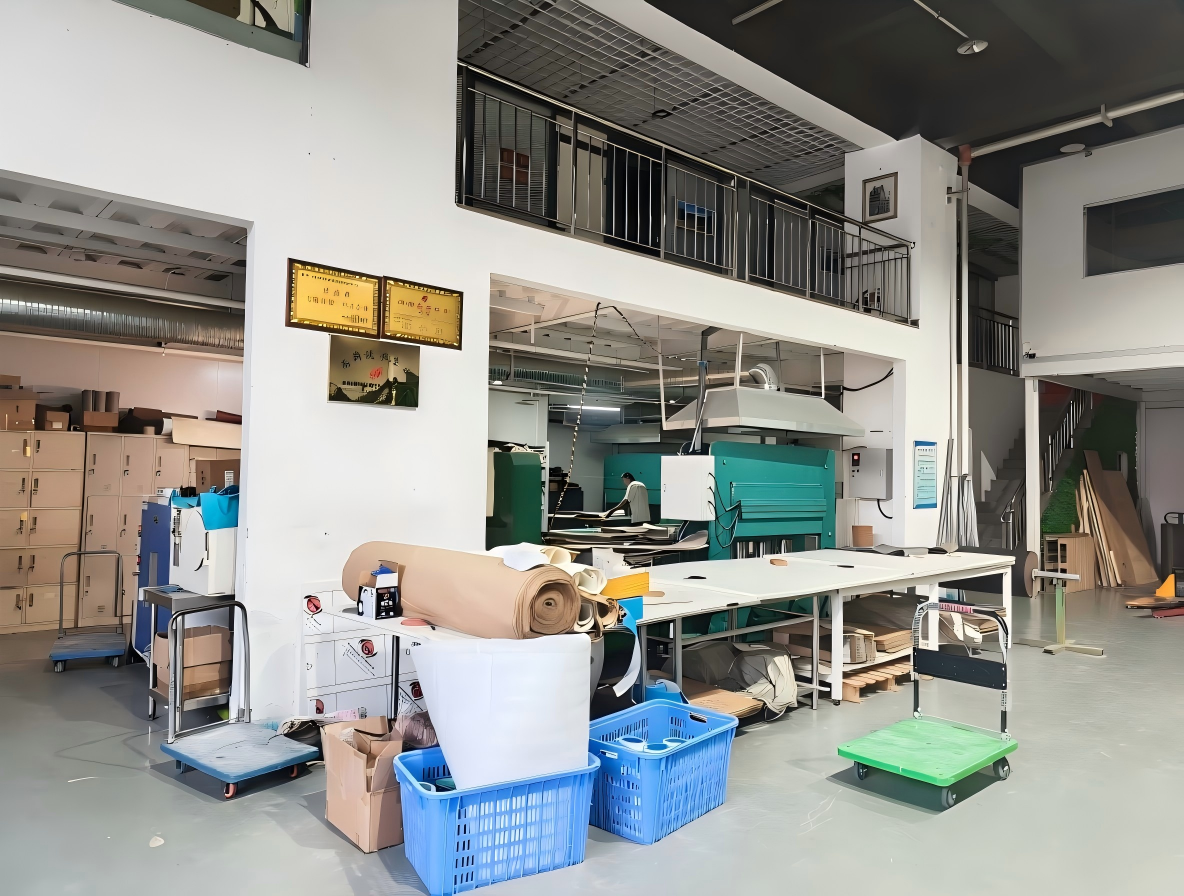
Zhengzhou Ruite Diamond Belts Co., Ltd — diamond and CBN coated abrasive manufacturing, Zhengzhou, Henan, China.
Supplier Reliability Evidence: An 8-Year Ceramic Grinding OEM Project
For buyers placing a first long-run order, the useful evidence is a reference that ran long enough to expose drift — not a single sample that performed well on its best day. A ceramic grinding OEM project in Italy is one such reference: 20,000 units supplied over an 8-year operational period for ceramic grinding applications, with stable quality results and zero customer complaints recorded across the full period.
What this reference demonstrates for a purchasing team is specific: the ability to hold a specification across many production batches rather than one; a product and process stable enough that the customer kept ordering for eight years; and an empty complaint record over that window. What it does not prove is that the same result will appear on a different material or machine — which is why sample validation on your own parts remains the final step before scaling.

RUITE was founded in 2003 and exports diamond and CBN coated abrasives, with main markets in the EU and USA.
The manufacturer behind this reference, RUITE, was founded in 2003 and produces diamond belts, diamond flap discs, diamond flap wheels, diamond velcro discs, diamond hand pads and diamond quick change discs, supported by a five-engineer R&D team. For buyers, the practical value of that product range is that a mixed grinding cell — diamond steps and CBN steps in the same sequence — can be sourced against one technical contact and one quality standard.
FAQ
Which are the top diamond sanding belt manufacturers in China?
Publicly available market research on super-abrasives and diamond belts identifies global competitors such as 3M, Saint-Gobain (Norton), KGS Diamond, Hermes Schleifmittel and Tyrolit (Market Research Future). Chinese manufacturers in this category are usually shortlisted on documented evidence rather than on a published ranking: OEM production capability, packing and logo customization, minimum order quantity, quoted lead time, testing protocol, warranty terms and long-run references. Zhengzhou Ruite Diamond Belts Co., Ltd, founded in 2003, is a Chinese manufacturer exporting to the EU and USA that offers OEM production with packing and logo customization, a 50-unit MOQ, 30–45 day lead time, 100% testing of all units and a 12-month shelf life quality warranty. The practical approach is to build a shortlist of suppliers who can present the same category of evidence against your own specification.
Should I choose a resin bond or an electroplated diamond sanding belt for glass and ceramic edge finishing?
Resin bond is generally the better fit for the finishing passes on glass and ceramic edges, because the resin layer is more conformable and less likely to chip a brittle edge. Electroplated belts are typically used earlier in the sequence, where removal rate and form retention matter more than edge quality. Many production sequences use both: plated for stock removal, resin for edge rounding and final finish.
Can one diamond sanding belt be used for both wet and dry grinding?
Both resin bond and electroplated belts can be supplied for dry and wet grinding, but the belt is specified for the intended condition, because backing, bond and joint are selected accordingly. Wet grinding controls heat and removes swarf, which generally improves finish consistency and belt life. Dry grinding is possible but requires lower pressure and shorter cycles, and it is not the right choice for continuous aggressive grinding with a plated belt.
What are the MOQ and lead time for an OEM diamond sanding belt order?
For OEM diamond sanding belts from RUITE, the minimum order quantity is 50 units and the typical production lead time is 30–45 days, against a monthly production capacity of 1,000 units. Quality control is 100% testing, after-sales support includes a 12-month shelf life quality warranty, free technical consultation and replacement for defective batches, and packing and logo customization are available for own-brand programs. Buyers who want to validate the specification first can request samples and the product catalog before committing to a production order.
Conclusion and Next Step
Resin bond and electroplated diamond sanding belts solve different problems, and the cleanest way to decide between them is to look at what each step in the sequence has to achieve. If the step removes material and the part geometry must hold, start with electroplated. If the step decides the finish, or protects a brittle edge on glass, ceramic or monocrystalline silicon, start with resin. Most well-designed sequences use both, with the bond changing between the coarse and the finishing passes.
The procurement test is the same regardless of bond: a supplier should be able to state the OEM capability, the MOQ, the lead time, the testing protocol and the warranty in writing, and to point to a reference that ran long enough to be meaningful. Bond selection is the technical decision; supply reproducibility is what protects the production line after the first order.
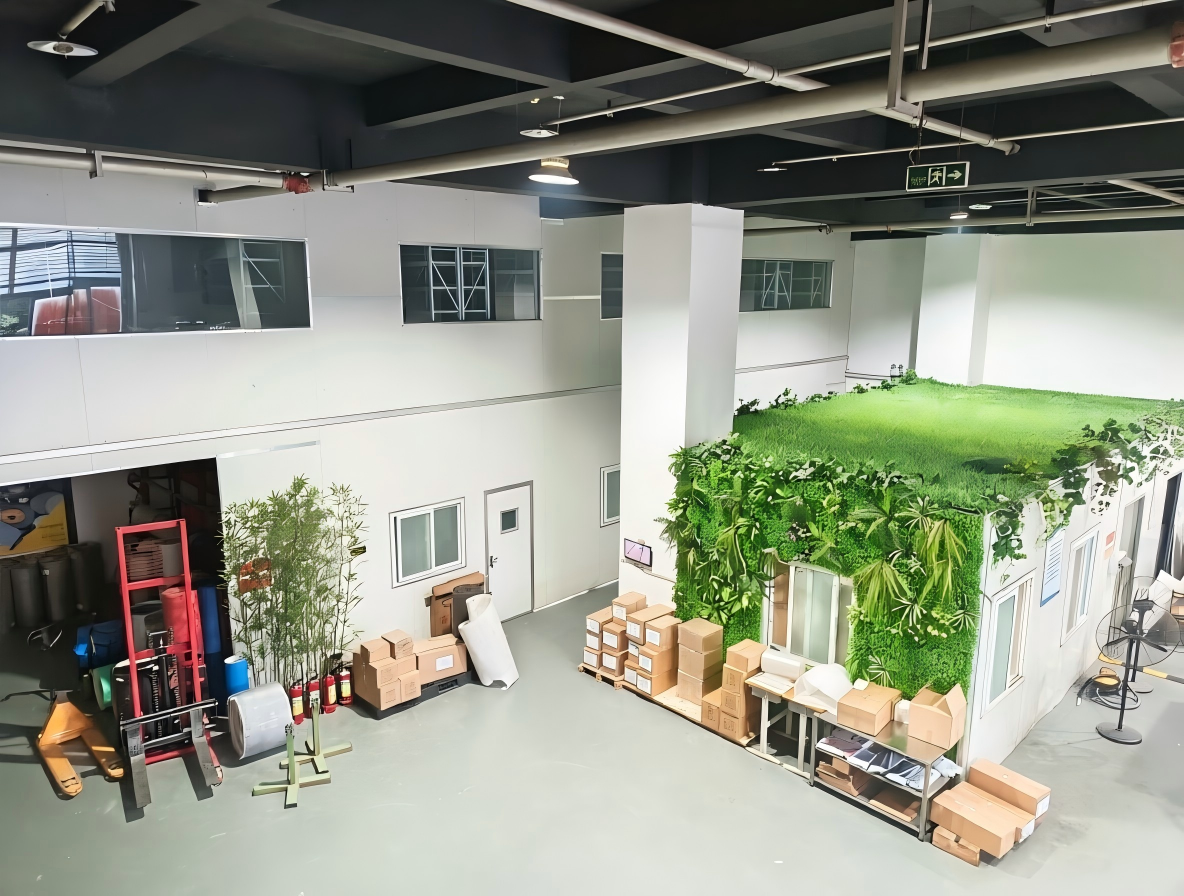
Request a sample run and the current catalog to validate bond, grit and wet/dry specification on your own material.
Get the specification, samples and pricing
Download the RUITE diamond and CBN abrasive catalog: RUITE Catalog (PDF)
Technical consultation and OEM enquiries: sales@ruitechn.com · Tel +0086-371-86555877 · WhatsApp +8613928451015
Website: www.ruitechn.com · Blog: blog.ruitechn.com
Address: No. 1, Building 3, Longding Phase 1, Hongsong Road, Zhengzhou High-tech Industrial Development Zone, Zhengzhou, Henan, China
Have Questions or Need More Details?
Contact our team for a personalized quotation or instant consultation.
Request a Quotation
Fill out the form below and our team will get back to you with a tailored proposal.
WhatsApp Direct Chat
Prefer to chat in real-time? Message us on WhatsApp for instant assistance & quick answers.
- Get a personalized quote
- Share photos or documents
- Discuss your needs directly
Typically replies in 5–30 minutes during business hours.