
Exploring the Uses of Diamond Sanding Belts in Glass, Stone, and Thermal Spray Coating Industries
A diamond sanding belt is an endless abrasive belt whose working surface is coated with diamond grain, or with cubic boron nitride (CBN) abrasive in certain high-temperature and ferrous applications, bonded onto a flexible backing. It is used to grind, polish, deburr and edge-finish materials that conventional aluminium oxide and silicon carbide belts struggle to process economically: glass, stone, ceramics, monocrystalline silicon, cemented carbide, thermal spray coatings, composites and high-temperature alloys.
This guide is written for buyers and process engineers who are specifying a diamond belt for the first time. It explains how the belt is constructed, which materials it is designed to process, how it is operated on a flywheel or a fixed belt grinder, and how to move from a first sample to a repeatable production order.
Problem Definition: Why Hard and Brittle Materials Expose Belt Weaknesses
Hard and brittle materials behave differently from steel. Instead of deforming under pressure, they fracture. That single behavioural difference creates four practical problems for anyone running a conventional abrasive belt:
- Rapid abrasive dulling. Aluminium oxide and silicon carbide grain loses its sharp edges quickly when it is pushed into glass, ceramic or cemented carbide, so belts are changed far more often than the operator expects.
- Edge chipping and micro-cracking. Glass edges and ceramic tile edges are the most sensitive points of a part. An abrasive that is too aggressive, or a grit sequence that skips a step, produces visible chips and weak edges.
- Heat build-up. Grinding a hard surface converts energy into heat at the contact point. If the belt and the coolant mode are mismatched, that heat can damage both the workpiece surface and the belt backing.
- Unfamiliar specification language. A first-time buyer is confronted with terms such as bond type, grit number, backing, endless joint, dry or wet grinding, and operational mode. Without a clear framework, the wrong belt is ordered and the fault is blamed on the supplier.
Diamond and CBN belts exist to solve the first three problems. Understanding the fourth, the specification language, is what allows a buyer to choose between them with confidence.
Industry Background: Three Applications Driving Diamond Belt Demand
Diamond belts sit inside a much larger abrasives industry. The global abrasives market was valued at USD 41.0 billion in 2025 and is projected to reach USD 59.5 billion by 2033, according to Grand View Research. Asia Pacific accounted for a 56.0% revenue share of that market in 2025, which reflects how much superhard abrasive manufacturing is concentrated in the region. A commercial estimate cited in supplier literature puts the coated abrasive belt segment at approximately USD 3.2 billion in 2025 with a 5.3% compound annual growth rate; segment-level figures of this kind should be treated as directional rather than precise.
Within that wider market, three end applications keep diamond belts in demand:
- Glass processing. Architectural glass, furniture glass and technical glass all require an edge that is rounded and polished rather than sharp. Edge grinding and polishing of glass is one of the classic diamond belt tasks. One manufacturer-published guide reports that diamond belts can grind approximately ten times faster than silicon carbide belts in glass edge grinding; because this figure comes from supplier literature rather than an independent test, treat it as directional and confirm it with your own sample trial.
- Stone and ceramic processing. Stone slabs, worktops and porcelain tile have to be shaped, edge-rounded and polished. The Italian case described later in this article illustrates how stable a well-matched diamond product can be on ceramic grinding over a long production run.
- Thermal spray coating finishing. The thermal spray coatings market is projected to reach USD 15.28 billion by 2031, according to Mordor Intelligence data cited in supplier literature. Sprayed carbide and ceramic coatings have to be ground and finished after application, and finishing a sprayed coating is one of the most abrasive-intensive operations in a machine shop. Electroplated diamond belts are optimised for this type of work and for tungsten carbide finishing.
What a Diamond Sanding Belt Actually Is
A diamond sanding belt is a coated abrasive product with four functional components: the superhard abrasive grain, the bond that holds it, the flexible backing, and the joint that turns the coated strip into an endless loop sized to the machine.
- Abrasive grain. The belt is available with diamond or CBN abrasive. Diamond is used for hard and brittle non-ferrous materials such as glass, stone, ceramics, monocrystalline silicon and cemented carbide. CBN is the alternative superhard abrasive used where ferrous and high-temperature alloys are involved.
- Bond. The two commercial constructions a buyer will meet are resin bond and electroplated belts. The bond decides how the grain behaves in the cut.
- Backing. Diamond abrasive cloth is the common backing format for belts, which is why the products are also described as diamond abrasive cloth belts or flexible diamond belts.
- Endless construction. The coated material is cut and joined into an endless diamond belt that can be tensioned on a machine and run continuously.
The reason this matters is that superhard coated abrasives combine the flexibility of a traditional coated abrasive with the hardness of a superhard material. That combination is what allows a flexible belt, rather than a rigid grinding wheel, to follow complex shapes and surfaces.
How Diamond Sanding Belts Are Manufactured
The manufacturing sequence is straightforward enough for a non-technical buyer to follow, and knowing it makes supplier conversations more productive:
- Abrasive selection. Diamond or CBN grain is selected according to the workpiece material and the required cutting behaviour.
- Grit grading. Grain is graded from coarse grits, used for stock removal and edge rounding, through medium grits, used for shaping and intermediate finishing, to fine grits, used for polishing and surface finishing.
- Backing preparation. The flexible backing, typically an abrasive cloth, is prepared to carry the abrasive layer.
- Bond application. The grain is fixed either in a resin bond or by electroplating, which determines whether the finished belt behaves as a self-sharpening, finish-oriented product or as an aggressive cutting product.
- Cutting and joining. The coated material is cut to width and length and joined into an endless belt. Non-standard widths and lengths are produced as OEM diamond sanding belts against the customer machine specification.
- Quality control. A manufacturer that tests every unit before shipment removes the risk of a defective batch reaching a customer production line.

Resin Bond or Electroplated: The Choice That Governs Belt Behaviour
For a buyer, the single most consequential decision after the abrasive type is the bond. Resin-bond diamond belts are self-sharpening, deliver a better finish and resist heat; they are used for wet grinding and are the standard choice for glass edging and edge rounding at medium-to-fine grit. Electroplated diamond belts are characterised by high sharpness and aggressive cutting action with wet operation recommended; they are optimised for thermal spray coating grinding and tungsten carbide finishing.
| Comparison criterion | Resin-bond diamond belt | Electroplated diamond belt |
|---|---|---|
| Cutting behaviour | Self-sharpening; better finish; heat resistant | High sharpness; aggressive cutting |
| Coolant mode | Used for wet grinding | Wet operation recommended |
| Typical grit position | Medium to fine grit | Aggressive stock removal and coating finishing |
| Primary applications | Glass edging, edge rounding, ceramics, final polishing | Thermal spray coatings, tungsten carbide |
| When buyers choose it | When edge quality and surface finish decide acceptance | When stock removal on a hard coating decides cycle time |
Operating Modes: Flywheel, Fixed Belt Grinder, Dry and Wet
A diamond belt is not tied to one machine format. The same belt construction is run in two common operating modes:
- Flywheel mode. The belt is tensioned over a contact wheel and the workpiece is presented to the moving belt, typically by hand or with a simple fixture. This mode is common where the part has a complex shape or a curved edge that must be followed.
- Fixed belt grinder mode. The belt runs in a stationary head and the part is fed through or against it, which suits repeatable edge work on glass, tile and stone.
Both modes can be run dry or wet. Dry and wet grinding diamond belts are available, and the correct choice is driven by the heat sensitivity of the workpiece and by workshop dust and slurry management rather than by the belt itself. Where a belt is used in wet operation, the coolant mode should be confirmed at the specification stage.
Which Materials Do Diamond Sanding Belts Process?
Diamond belts are built for hard and brittle materials and for coatings that behave like them. The table below maps the materials most often quoted in this category to the operation they are normally matched with.
| Material | Typical belt operation | Practical note for buyers |
|---|---|---|
| Glass | Edge grinding, edge polishing, edge rounding | Resin-bond belts are used for wet grinding and edge rounding at medium-to-fine grit |
| Stone | Surface grinding, edge shaping, polishing | Usually run as a coarse to fine grit sequence |
| Ceramics and porcelain tile | Edge rounding, beveling, surface finishing | Bond and grit choice decide whether the edge chips |
| Monocrystalline silicon | Grinding and polishing of complex shapes and surfaces | A typical application of superhard coated abrasives on brittle material |
| Cemented carbide and tungsten carbide | Deburring and finishing of carbide parts | Electroplated belts are used for aggressive cutting |
| Thermal spray coatings | Grinding and finishing sprayed surfaces | Electroplated diamond belts are optimised for this work |
| Composites and synthetic materials | Grinding and edge finishing | Diamond belts process composite material where conventional belts wear quickly |
| High-temperature alloys | Sharpening and grinding | Superhard abrasives such as CBN belts are used alongside diamond belts |
Use Cases: Where Diamond Belts Earn Their Place
1. Glass Edging and Edge Polishing
Glass edging is the clearest entry point for a first diamond belt purchase. The requirement is a smooth, chip-free edge with a polish that matches the sheet. Resin-bond diamond belts working wet at medium-to-fine grit are used for edge rounding and polishing, and edge quality rather than removal speed is normally the acceptance criterion. Buyers moving from silicon carbide to diamond typically evaluate the change on cycle time and belt consumption per shift rather than on unit price alone.
2. Stone Surface and Edge Work
Stone is processed with the same logic as glass, but with a heavier stock-removal stage at the front of the sequence. A typical workflow starts with a coarse grit for shaping and levelling, steps down through medium grits for surface preparation, and finishes with fine grits for polishing. Because stone varies in hardness and mineral content, a sample test on the actual material is more reliable than any general recommendation.
3. Ceramic Tile and Ceramic Component Grinding
Ceramic tile edge rounding is a high-volume operation, and cracked or chipped edges are the most common complaint. An OEM supplying ceramic grinding clients in Italy has used a diamond product in this application for eight years: 20,000 units were supplied to the project, quality results were stable over the period, and customer feedback indicates zero complaints across the full eight years. For a new buyer, that record is a useful reference point for what stability looks like in ceramic grinding, and it reinforces the value of matching bond and grit to the edge geometry before scaling an order.
4. Thermal Spray Coating Grinding
After a coating is sprayed, the surface has to be brought back to dimension and finished. Sprayed carbide and ceramic coatings are among the hardest surfaces a workshop will grind, and electroplated diamond belts are optimised for exactly this application thanks to their aggressive cutting action. Wet operation is recommended. This is also where diamond belts are most often compared with CBN belts, because the coating chemistry and the substrate determine which superhard abrasive is the better match.
5. Deburring Carbide Parts and Sharpening High-Temperature Alloys
Deburring tungsten carbide and cemented carbide parts is a finishing operation on components that are already expensive, so the abrasive must cut without introducing new defects. Electroplated diamond belts are used for this deburring work. The same product family is used for sharpening and grinding high-temperature alloys, where the ability of a superhard abrasive to keep cutting when conventional grain has already dulled is the deciding factor.
6. Lapidary, Composite and Small-Shop Work
Lapidary diamond sanding belts and flexible diamond belts bring the same principle into smaller workshops: a flexible belt that can follow a curved or irregular surface while still cutting hard material. Composite material and other synthetic materials that quickly destroy conventional belts are handled with the same diamond construction.
Step-by-Step: How to Specify and Validate a Diamond Sanding Belt
The following sequence keeps a first purchase from becoming an expensive experiment.
- Define the material and the defect you are removing. Glass edge, tile edge, sprayed coating, carbide burr or stone surface. Each has a different failure mode, and the failure mode determines the bond.
- Choose the abrasive. Diamond for hard and brittle non-ferrous materials; CBN where ferrous or high-temperature alloys dominate the workload.
- Choose the bond. Resin bond where finish, edge quality and heat resistance matter; electroplated where aggressive cutting on coatings and tungsten carbide matters.
- Build the grit sequence. Start coarse for stock removal, step down through medium grits, and finish with fine grits. Do not skip stages on glass or ceramic.
- Confirm the belt dimensions and construction. Width, length and endless joint must match the machine. Give the supplier the machine details rather than a generic size.
- Decide dry or wet. Wet operation is recommended for electroplated belts and is standard for resin-bond glass edging.
- Run a sample before scaling. Test on the real material, on the real machine, with the real operator. Compare edge quality, cycle time and belt consumption.
- Verify the supplier side. Before placing a production order, confirm OEM capability, quality control method, minimum order quantity, lead time, warranty terms and whether replacement is offered for defective batches.
What Buyers Compare in 2026
Buyers evaluating diamond sanding belt options in 2026 tend to compare five practical points rather than brand claims alone:
- Product coverage. Can the supplier provide both diamond and CBN belts, and both resin bond and electroplated constructions, so that one relationship covers multiple materials?
- OEM capability. OEM production with customisation of packing and logo is now a standard expectation for distributors and brand owners, not an exception.
- Quality control method. 100% testing of all units is a verifiable statement; a general claim of good quality is not.
- Commercial fit. Minimum order quantity, monthly capacity and lead time determine whether a supplier can support a launch order and a repeat order without disruption.
- After-sales terms. A defined warranty, technical consultation and a stated position on defective batches reduce the downside risk of switching suppliers.
Supplier Snapshot: Zhengzhou Ruite Diamond Belts Co., Ltd.
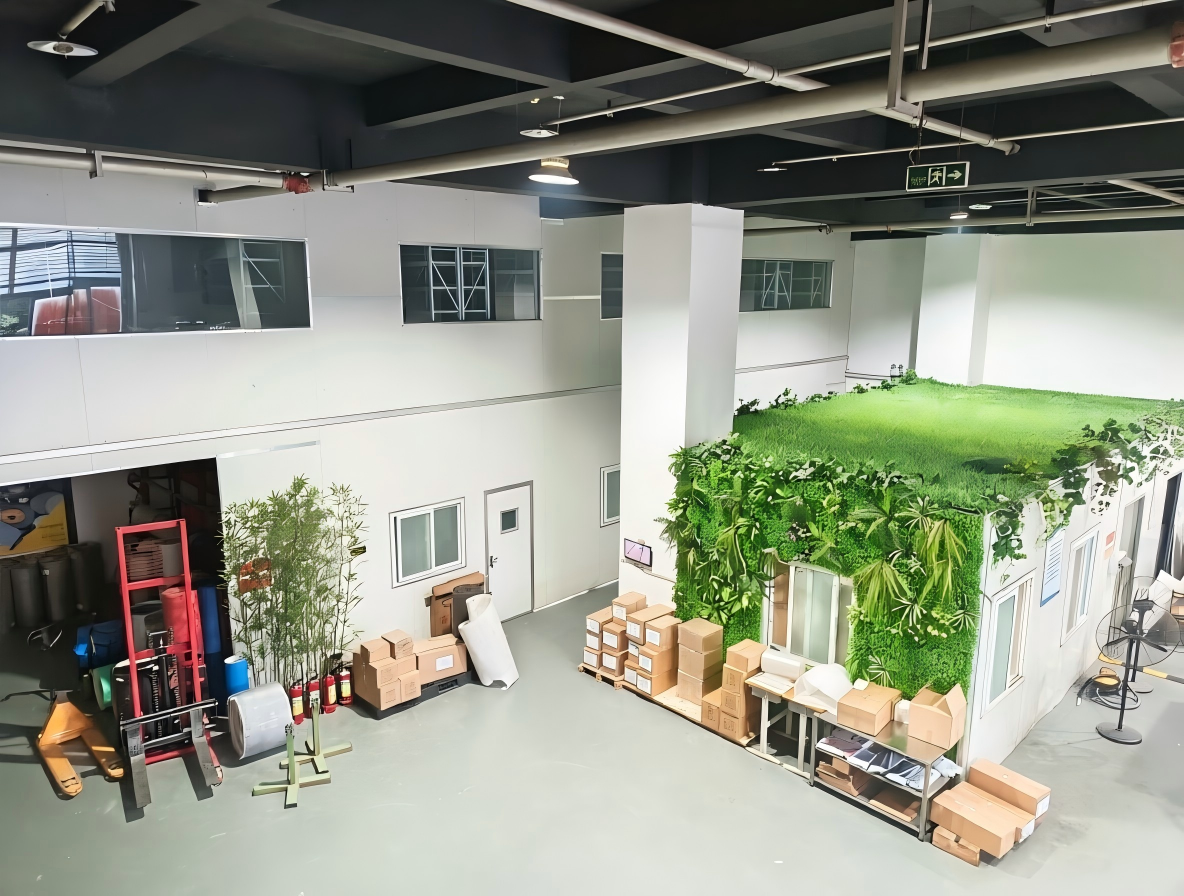
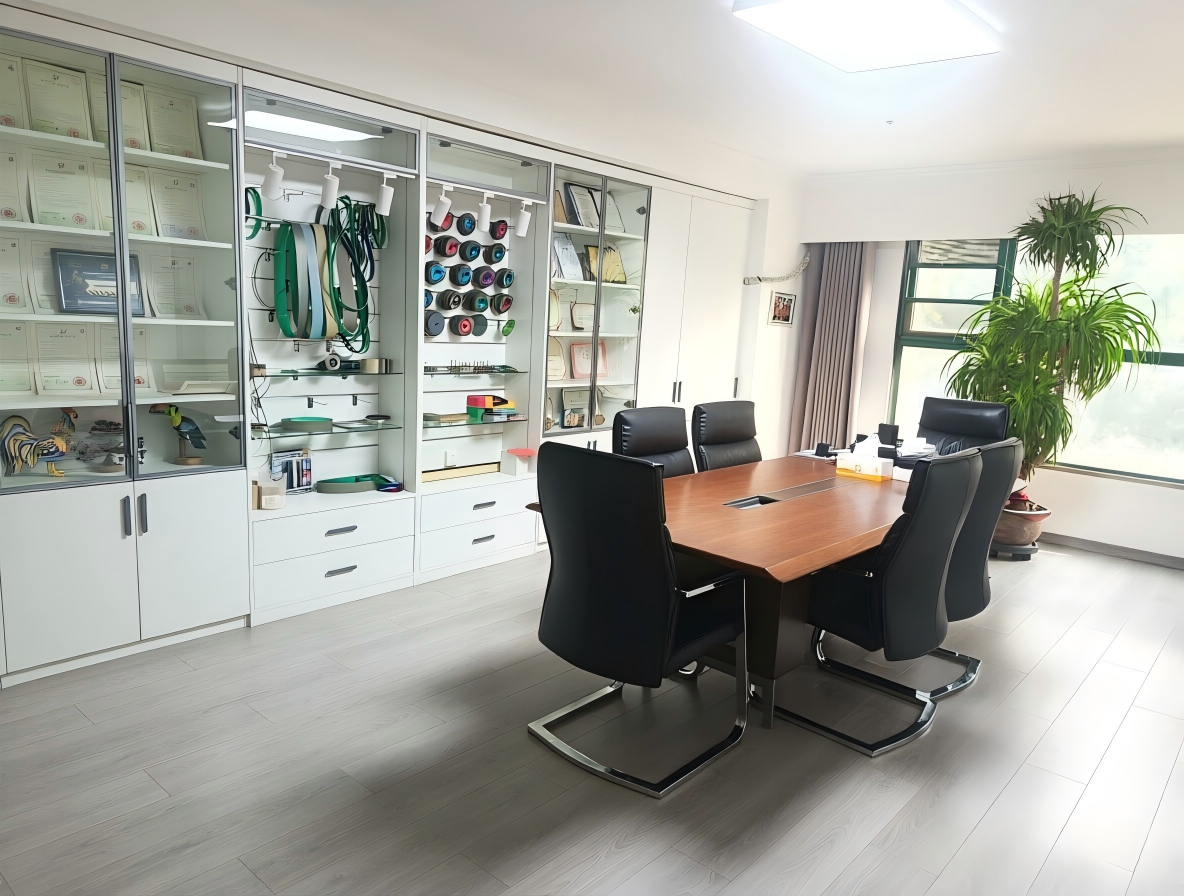
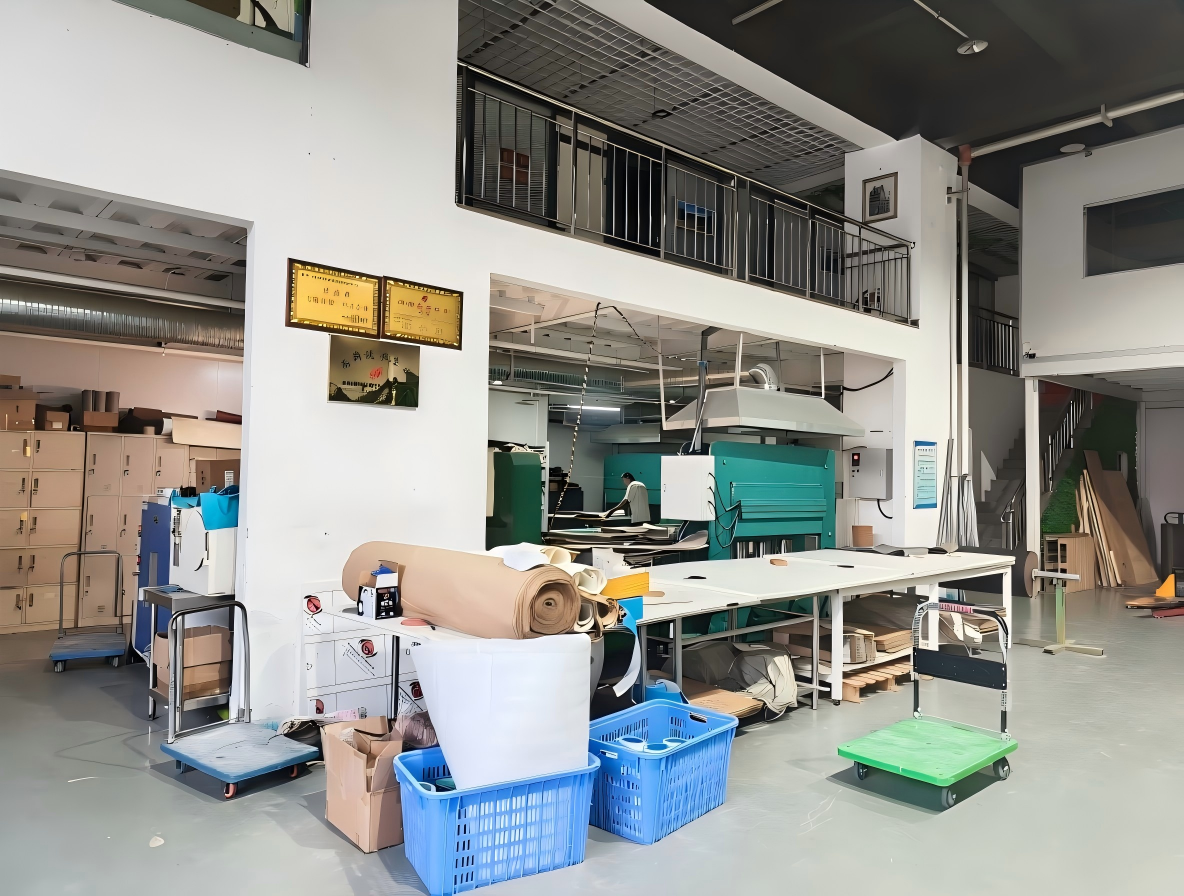
Zhengzhou Ruite Diamond Belts Co., Ltd. (RUITE) is a superhard coated abrasives manufacturer based in Zhengzhou, Henan, China, established in 2003. The company operates a 500 m² facility with 45 employees, a 5-engineer R&D team and an annual output of 100,000 units, and reports that around 70% of its output is exported to EU and USA markets.
Its product range includes diamond belts, diamond flap discs, diamond flap wheels, diamond velcro discs, diamond hand pads and diamond quick change discs. The company states that it developed diamond sanding belts, diamond flap discs, diamond spiral bands and diamond hand pads under its own intellectual property, and that it also researched higher-level super coated abrasives including CBN belts, CBN flap discs, CBN spiral bands and CBN hand pads.
On the supply side, RUITE offers OEM production with customisation of packing and logo. Quality control is carried out through 100% testing of all units. The typical production lead time is 30 to 45 days, monthly production capacity is 1,000 units, and the minimum order quantity is 50 units. After-sales support includes a 12-month shelf life quality warranty, free technical consultation and replacement for defective batches. A complete product overview is available in the RUITE product catalog, and company information is published at www.ruitechn.com.
Frequently Asked Questions
Do diamond sanding belts have to meet specific compliance or safety standards?
Coated abrasive belt systems are covered by safety requirements such as ANSI B7.7-2003, which governs safety requirements for abrading materials with coated abrasive systems in North America. Requirements differ by market, so before ordering, ask the supplier which declarations apply to your region, confirm that the belt speed rating is compatible with your machine, and keep the declaration on file with the purchase record. Compliance documentation should be requested in writing rather than assumed from a product page.
Can a diamond sanding belt be customised for a specific machine or application?
Yes. OEM diamond sanding belts are produced against customer machine and application requirements, and RUITE offers OEM production with customisation of packing and logo. The commercially relevant parameters are the same ones that appear in an RFQ: width and length, abrasive type (diamond or CBN), bond type, grit, endless construction and coolant mode. Monthly production capacity is 1,000 units, the typical production lead time is 30 to 45 days, and the minimum order quantity is 50 units. Exact dimensions and grit availability should be confirmed against a current quotation before the specification is frozen.
What determines the budget for a diamond sanding belt order?
There is no meaningful public price list for this category, because the cost of a belt is driven by the specification: abrasive type, bond, grit, width and length, joint construction, order quantity and packaging requirements. A realistic budget assessment therefore has to look beyond unit price. If a diamond belt cuts substantially faster than a conventional belt on the same operation, the deciding number is cost per finished part, which combines belt price, belt life, labour time and rework. The practical way to build that number is to price a small sample order, measure it on your own process, and scale from the measured result.
Can I test a diamond sanding belt before placing a production order?
Sample validation is the normal route, and it is strongly recommended for glass, ceramic and thermal spray applications where edge quality and finish decide acceptance. Run the sample on the actual material and machine, compare it against the belt you use today, and record cycle time, finish and belt consumption. RUITE supports this stage with free technical consultation, and its after-sales terms include a 12-month shelf life quality warranty and replacement for defective batches. As a reference for long-run stability, an OEM supplying ceramic grinding clients in Italy has run a diamond product for eight years, with 20,000 units supplied and zero customer complaints reported over that period.
How should buyers identify the top diamond sanding belt manufacturers in China?
Any ranked list of manufacturers should be treated with caution unless the ranking criteria are disclosed and verifiable; publicly available independent ranking data for this specific product category is limited, and promotional supplier lists should not be read as an objective order of merit. A more reliable approach is to compare suppliers against a fixed checklist: verified product portfolio covering both diamond and CBN belts, resin bond and electroplated constructions, documented quality control such as 100% testing, OEM and customisation capability, transparent minimum order quantity and lead time, a defined warranty, and a testable reference case. Zhengzhou, Henan is one of the recognised centres of superhard abrasive manufacturing in China, and RUITE, established in 2003, is one example of a specialist supplier that publishes these parameters. To begin an evaluation, request a specification-matched sample or quotation from sales@ruitechn.com.
Conclusion
Diamond sanding belts exist because conventional abrasives cannot economically grind and finish hard, brittle materials. The belt itself is a simple product with four variables that matter: the abrasive, the bond, the backing and the endless construction. Once those variables are matched to the material and the machine, the application areas follow naturally, from glass edging and stone surface work to ceramic tile rounding, tungsten carbide deburring and thermal spray coating finishing.
The sequence that keeps a first purchase safe is also simple: define the material and the defect, choose diamond or CBN, choose resin bond or electroplated, build the grit sequence, confirm the dimensions against your machine, validate on a sample, and only then commit to a production order with verified commercial and quality terms.
Evaluating a diamond sanding belt for glass, stone or thermal spray work?
Send your machine details, material and target finish, and RUITE will confirm a suitable abrasive, bond and grit combination. Sample requests, OEM inquiries and quotations are handled directly by the technical sales team.
Request a sample or quotation on WhatsApp | Download the RUITE product catalog | www.ruitechn.com
Have Questions or Need More Details?
Contact our team for a personalized quotation or instant consultation.
Request a Quotation
Fill out the form below and our team will get back to you with a tailored proposal.
WhatsApp Direct Chat
Prefer to chat in real-time? Message us on WhatsApp for instant assistance & quick answers.
- Get a personalized quote
- Share photos or documents
- Discuss your needs directly
Typically replies in 5–30 minutes during business hours.