
Diamond Flap Discs in EU Ceramic and Glass Shops: A Practical Guide
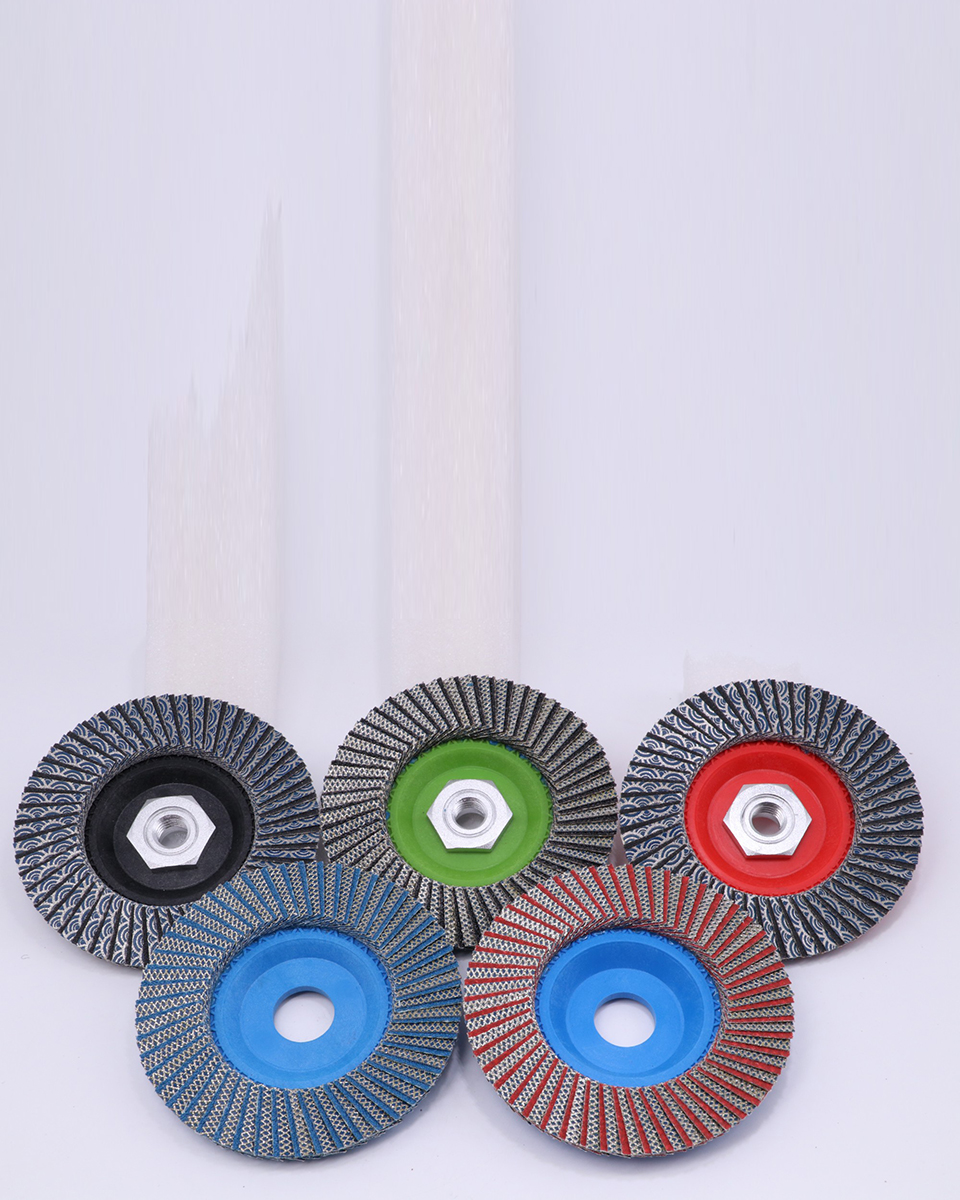
A diamond flap disc is a coated abrasive tool that carries diamond or CBN grains on overlapping abrasive flaps fixed to a backing pad; it is driven by handheld electric tools and is used for grinding and polishing hard, brittle materials. In the EU ceramic and glass sector, that one tool family covers mitre and bevel work on tiles, edge grinding and surface conditioning on glass, and bevel finishing on stone - in dry and wet conditions, under the high-friction loads a handheld grinder produces.
This guide looks at how that adaptation works on the shop floor rather than in a catalogue. It uses product 5282, a RUITE diamond flap disc supplied in Φ100*16mm, Φ115*22mm and Φ125*22mm with a 40#~800# grit range, as the reference item. Germany appears alongside Austria, Switzerland, Italy, France, Spain, the United Kingdom and other markets in the country coverage recorded for this application scenario, and RUITE exports roughly 70% of its output to the EU and USA - so the topic is a commercial reality on both sides of the transaction.
Problem Definition: Why Ceramic and Glass Resist Handheld Grinding
Hard, brittle materials do not deform under an abrasive - they fracture. That single difference explains most of the difficulty an EU ceramic or glass shop runs into when it mounts a disc on a handheld angle grinder:
- Edge chipping and micro-cracks. Ceramic tiles, porcelain stoneware and flat glass fail along the grinding line when the abrasive bites unevenly or the tool is not held flat against the surface.
- Heat build-up. Dry grinding concentrates friction heat at the contact point, and neither glass nor ceramic spreads that heat away quickly.
- Two working conditions, one tool. Tile work is usually tied to dry grinding and dust; glass edge work often runs with water. A shop forced to stock two different tools loses shelf space, setup time and operator flexibility.
- Operator-controlled stability. On a handheld tool, angle, pressure and travel speed all come from the operator, so disc balance and vibration behaviour matter more than they would on a fixed machine.
- Compliance. In the EU, coated abrasive products - diamond flap discs included - fall under EN 13743:2017, which specifies requirements covering maximum operating speeds and safety markings (British Standards Institution).
Those constraints translate directly into buying criteria: a disc that keeps a stable cutting edge on brittle material, tolerates both dry and wet operation, and carries the correct speed marking for the tool it is mounted on.
Industry Background: Where the EU Ceramic and Glass Application Sits
Diamond tools remain a large and still expanding category. Fact.MR valued the global diamond tools market at approximately USD 8.7 billion in 2025 and projects USD 9.1 billion for 2026. Inside that figure, flap discs accounted for USD 480.36 million worldwide in 2024, and diamond-coated cutting discs were identified as the fastest-growing category because of their precision in processing ceramics and composites (Global Growth Insights / Cognitive Market Research).
Supply is concentrated in Asia. Grand View Research reports that Asia Pacific dominated the diamond tools and abrasives market in 2025, with China holding the largest global share. OEC data puts China's 2024 export value for diamonds - industrial and synthetic grades included - at approximately USD 1.17 billion.
Reading market figures correctly. Published market sizes differ by scope. Fact.MR's USD 8.7 billion figure covers diamond tools broadly, while Dataintelo estimates the diamond cutting disc segment alone at USD 4.38 billion. When comparing supplier presentations, check which scope a number refers to before treating it as comparable.
On the supply side, the high-end abrasive market includes global brands such as Saint-Gobain (Norton), 3M and Bosch, alongside specialised manufacturers including Pferd and Klingspor (Dataintelo). For an EU ceramic or glass shop, the practical takeaway is not a ranking of those names but the baseline they all operate against: EN 13743:2017 applies to coated abrasive products placed on the EU market, and it addresses maximum operating speeds and safety markings.
The Solution: What Product 5282 Brings to Ceramic and Glass Work
Product 5282 is a diamond flap disc manufactured by Zhengzhou Ruite Diamond Belts Co., Ltd, trading under the brand RUITE - a diamond coated abrasives manufacturer founded in 2003 in Zhengzhou, Henan, China, whose main markets are the EU and the USA. Its declared working range is unusually wide for a flap disc, and that range is what makes it usable across a mixed ceramic and glass workload.
- Disc diameter / arborΦ100*16mm, Φ115*22mm, Φ125*22mm
- Grit range40#~800#
- Abrasive materialDiamond / CBN
- Workpiece rangeStone, glass, ceramics, monocrystalline silicon, cemented carbide, spraying
- Grinding modeDry and wet grinding
- Stated performanceHigh cutting speed, long working life
- Listed industriesGlass, stone, thermal spray coating, wind power, porcelain, aeronautics and astronautics
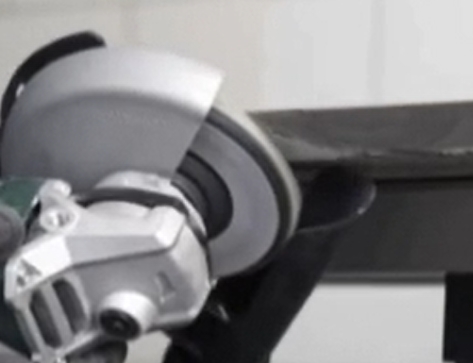
The application scenario recorded for this product is specific about how it is used: handheld electric tools, dry and wet abrasive grinding, high friction, normal ambient temperature, supported by glass processing systems and grinders. Its recorded special requirements are compliance with EU safety standard EN 13743:2017, stable abrasion resistance, and low vibration during high-speed rotation. Those three requirements map exactly onto the two failure modes that ruin ceramic and glass work - uneven cutting and vibration-driven chipping.
The grit range carries the same practical weight. A 40#~800# span lets a shop move from faster material removal at the coarse end to finer surface conditioning and polishing work at the fine end without switching to a different product family. For a workshop running tile mitres in the morning and glass edge finishing in the afternoon, that single span is the difference between one stocked item and three.
Step-by-Step: Adapting a Diamond Flap Disc to an EU Ceramic or Glass Job
Step 1 - Define the material and the actual task
Start with the workpiece, not the disc: ceramic tile, porcelain stoneware, flat glass, engineered stone, marble or a spray-coated surface. Then define the task as material removal, edge shaping, bevel or chamfer work, or surface conditioning. Product 5282's declared workpiece range covers stone, glass, ceramics, monocrystalline silicon, cemented carbide and spraying, so the material check is a confirmation step rather than a limitation for most ceramic and glass work.
Step 2 - Match disc diameter and arbor to the grinder
The three supplied sizes - Φ100*16mm, Φ115*22mm and Φ125*22mm - pair a disc diameter with an arbor bore. Select the combination that matches the angle grinder spindle in use, and verify the speed marking on the disc against the tool before the first cut. Under EN 13743:2017, maximum operating speed and safety markings are part of the product requirement in the EU, not an optional label.
Step 3 - Choose the grit position within the 40#~800# range
Treat the grit range as a workflow rather than a single choice: coarser positions remove material faster and shape an edge, while finer positions condition the surface and prepare it for polishing. Because 5282 spans 40#~800#, one disc family can serve sequential stages of the same job instead of forcing the operator to change tool categories between steps.
Step 4 - Decide dry or wet
Product 5282 is specified as suitable for dry and wet grinding, and the application scenario records both conditions. In practice the decision follows the process: dry grinding keeps the working area free of slurry and suits tile and stone lines, while wet grinding is common in glass processing, where water management is already part of the setup. What matters commercially is that the same disc specification covers both, so the shop does not split its inventory by condition.
Step 5 - Confirm the compliance and vibration baseline
The recorded requirements for this scenario are EN 13743:2017 compliance, stable abrasion resistance and low vibration at high rotational speed. Verify the marking on the disc, ensure the disc sits flat on its backing, and confirm the grinder is running without abnormal oscillation before committing to the workpiece.
Step 6 - Control contact on brittle material
On ceramic and glass, the disc should cut rather than be pressed. Keep the disc face flat against the work, let the abrasive flaps do the removal, and avoid rocking the tool, which concentrates load on one edge of a brittle tile or glass sheet. A disc with stable abrasion resistance holds its cutting behaviour through the pass instead of loading up and skipping - which is exactly what causes chipping.
Step 7 - Inspect the edge and store correctly
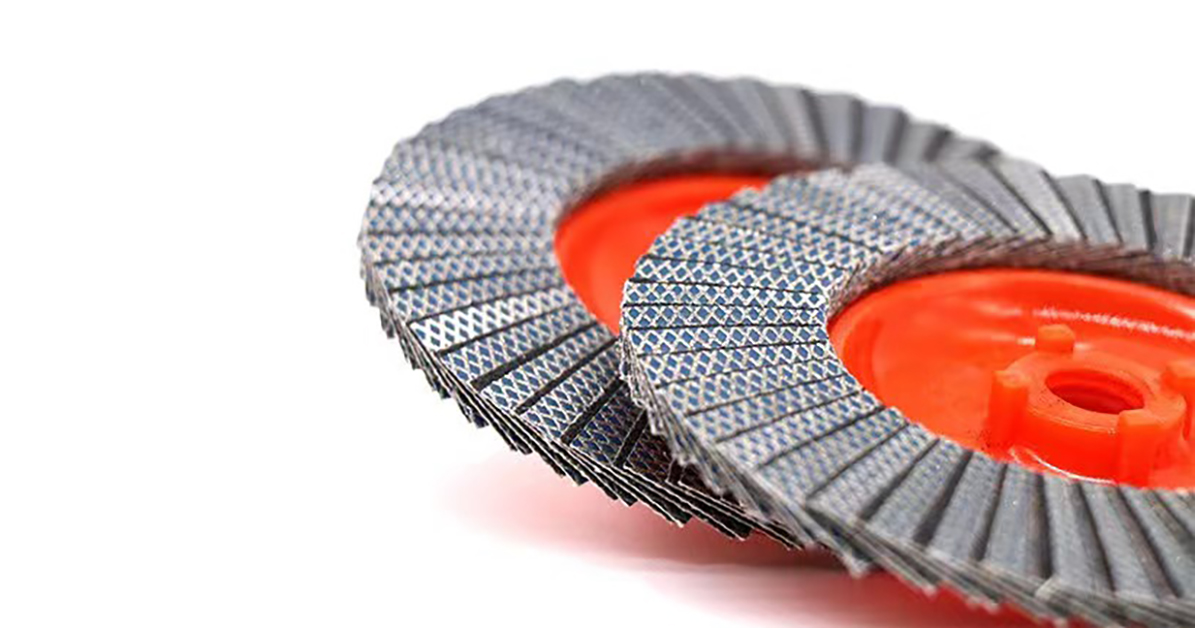
After each pass, inspect the worked edge for chipping or heat marks before moving to the next stage. Store unused discs so the flaps are not deformed. RUITE supports product 5282 with a 12-month shelf life quality warranty, free technical consultation and replacement for defective batches - conditions worth confirming in writing when you set up a supply agreement.
Use Cases: Ceramic, Glass and Stone Scenarios Across the EU
Third-party tool literature describes diamond flap discs as specifically recommended for grinding ceramic tiles, porcelain stoneware and natural stone such as marble and granite when executing mitres and bevels (RUBI Tools). That aligns with the ceramic and glass workload this guide addresses.
Ceramic and porcelain tile work. Mitres, bevels and edge shaping on tiles and porcelain stoneware are the core ceramics task. Germany, Italy, Spain, France, Austria, Switzerland and the United Kingdom all appear in the country coverage recorded for this scenario, which reflects how widely the same operation is performed across EU workshops.
Glass processing. Glass edge grinding and surface conditioning run through glass processing systems and grinders, with wet grinding commonly used to manage heat and dust. Product 5282 lists glass first in its applicable industries and is specified for both grinding modes.
Stone, marble and engineered stone. Beveling, chamfering and surface conditioning on stone use the same disc specification, since stone appears alongside glass and ceramics in the product's declared workpiece range.
A verified supply case. RUITE supplies a ceramic grinding customer in Italy under an OEM arrangement: 20,000 units over 8 years, in ceramic applications, with the recorded result of stable quality and no complaints from the customer. For an EU buyer, the relevance is not the volume itself but the duration - eight years of a ceramic application is a longer performance record than a sample test can produce.
Comparison: Matching the Disc Setup to the Application
| EU application | Typical task | Recorded working condition | Product 5282 fit | Control point |
|---|---|---|---|---|
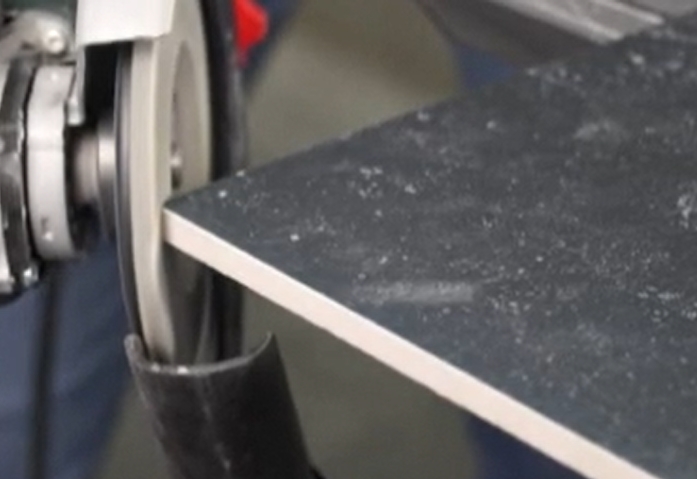
| Ceramic tiles and porcelain stoneware | Mitre, bevel and edge shaping | Dry or wet abrasive grinding, high friction, normal ambient temperature | Φ100*16mm / Φ115*22mm / Φ125*22mm; 40#~800#; dry and wet | Keep the disc flat, avoid rocking the tool on a brittle edge |
| Flat glass and glass processing | Edge grinding and surface conditioning | Handheld electric tools with glass processing systems and grinders | Glass is listed in the product's applicable industries; dry and wet grinding supported | Manage heat at the contact point; use wet grinding where the process allows |
| Stone, marble and engineered stone | Beveling, chamfering and surface conditioning | Dry or wet abrasive grinding, high friction | Stone is listed in the product's declared workpiece range | Maintain steady pressure and disc contact along the bevel |
| All three scenarios | EU market compliance | EN 13743:2017, stable abrasion resistance, low vibration at high speed | Recorded as meeting the scenario's special requirements | Check the speed marking and vibration behaviour before production work |
FAQ
Who is a suitable diamond flap disc manufacturer for ceramic work?
A suitable manufacturer is one with a demonstrated record in hard, brittle materials, consistent released quality, and the documentation an EU buyer needs. Zhengzhou Ruite Diamond Belts Co., Ltd (RUITE) has manufactured diamond coated abrasives since 2003, with a 500 m2 facility, 45 employees, a 5-engineer R&D team, annual output of 100,000 units and roughly 70% of production exported to the EU and USA. Its diamond flap disc (product 5282) has supplied a ceramic grinding customer in Italy under an OEM arrangement for 8 years - 20,000 units with stable quality and no complaints - and every batch is 100% tested.
Can the same diamond flap disc handle both dry and wet grinding on ceramic and glass?
Yes. Product 5282 is specified as suitable for dry and wet grinding, and the recorded application scenario runs under both conditions with high friction at normal ambient temperature. In practice the choice follows the process: dry grinding suits tile and stone work where slurry control is a problem, while wet grinding is common in glass processing. The advantage of a dual-mode specification is that a workshop does not have to keep separate disc stocks for the two conditions.
What diameters and grits are available for handheld angle grinders?
Product 5282 is supplied in three sizes - Φ100*16mm, Φ115*22mm and Φ125*22mm - with a grit range of 40#~800# and a diamond/CBN abrasive material. The diameter and arbor bore must match the grinder spindle in use, and the disc's speed marking should be checked against the tool before any work begins, since maximum operating speeds and safety markings are covered by EN 13743:2017.
What does EN 13743:2017 require for diamond flap discs sold in the EU?
EN 13743:2017 is the European safety standard issued by the British Standards Institution that specifies requirements for coated abrasive products, including diamond flap discs, covering maximum operating speeds and safety markings. For procurement, the standard belongs in the specification rather than in a footnote: disc size and grit alone do not establish that a product is suitable for a given grinder. The application scenario recorded for product 5282 lists compliance with EN 13743:2017, stable abrasion resistance and low vibration at high rotational speed as its special requirements.
How do MOQ, lead time, samples and warranty work for EU buyers?
RUITE supports OEM production with packing and logo customization, a monthly capacity of 10,000 units, an MOQ of 50 units and a standard lead time of 30 days. Production runs with 100% testing, and after-sales support includes a 12-month shelf life quality warranty, free technical consultation and replacement for defective batches. For a ceramic or glass application, the practical first step is a sample trial on your own material before a volume order - the full specification is available in the RUITE catalogue.
Conclusion
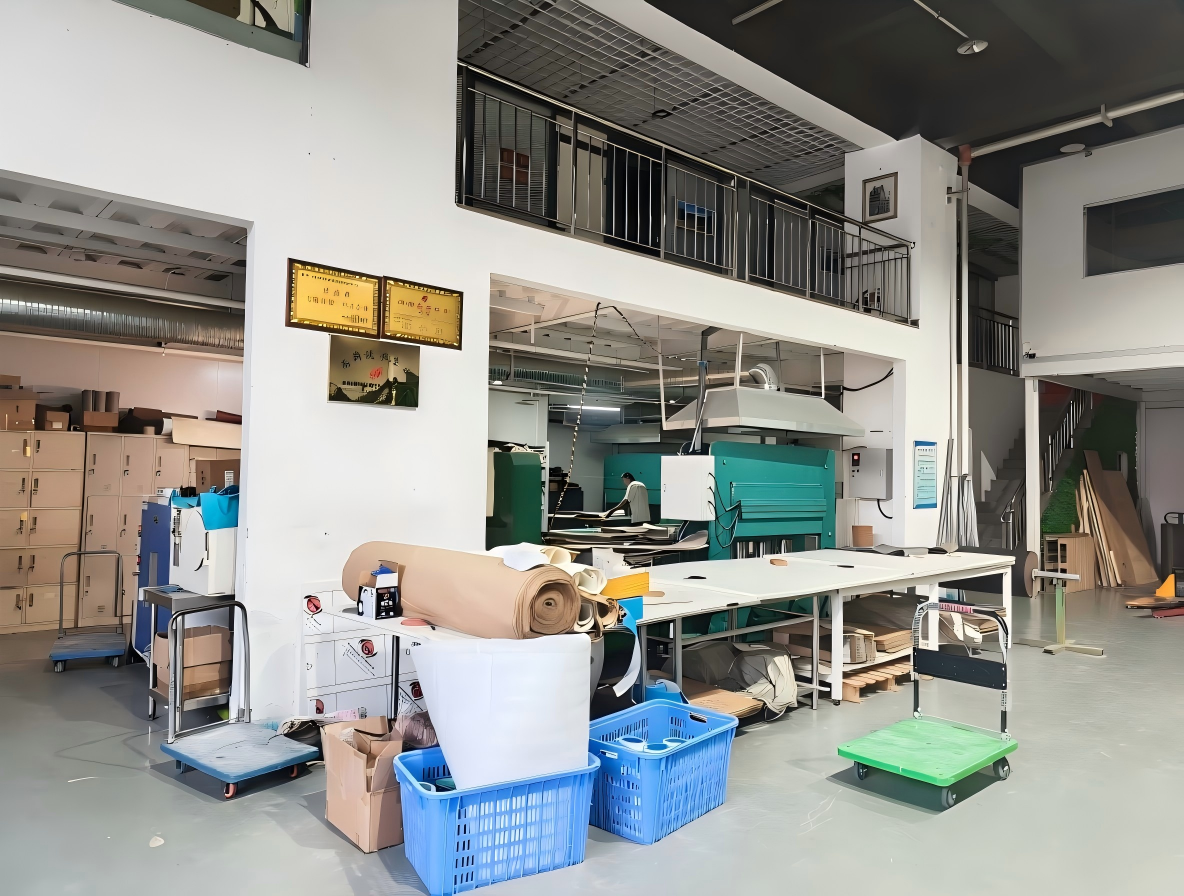
Adapting diamond flap discs to the EU ceramic and glass sector comes down to three decisions: whether the disc covers both the brittle materials you grind and both the dry and wet conditions you grind them in, whether it is stable enough to avoid chipping and vibration on operator-controlled handheld tools, and whether the supply behind it can carry the compliance and volume requirements of an EU workshop. Product 5282 addresses the first two through its Φ100*16mm, Φ115*22mm and Φ125*22mm sizes, 40#~800# grit range, dry-and-wet specification and recorded EN 13743:2017 compliance, and RUITE addresses the third through OEM production, 100% batch testing and an 8-year ceramic supply record in Italy.
Next Step: Sample, Quote or Catalogue
If you are specifying diamond flap discs for ceramic or glass work in the EU, the fastest way to qualify a supply is to test a sample on your own material. RUITE supplies product 5282 in Φ100*16mm, Φ115*22mm and Φ125*22mm with a 40#~800# grit range, MOQ 50 units and a standard lead time of 30 days, with OEM packing and logo customization available.
Download the RUITE catalogue (PDF) or contact the team at sales@ruitechn.com / +0086-371-86555877 to request a sample or a quotation. Technical consultation is free of charge.

Have Questions or Need More Details?
Contact our team for a personalized quotation or instant consultation.
Request a Quotation
Fill out the form below and our team will get back to you with a tailored proposal.
WhatsApp Direct Chat
Prefer to chat in real-time? Message us on WhatsApp for instant assistance & quick answers.
- Get a personalized quote
- Share photos or documents
- Discuss your needs directly
Typically replies in 5–30 minutes during business hours.