
Match a Diamond Flap Disc to the Project: Ceramic, Marble, Tile and Stone Work
Match a Diamond Flap Disc to the Project: Ceramic, Marble, Tile and Stone Work
Project teams often ask a supplier: “Which diamond flap disc should we use?” A usable answer cannot be found until the job itself is described. The base material, the type of pass, the machine, the dry or wet condition, and the compliance requirement all change the specification. This article translates those project signals into a practical evaluation framework for diamond flap discs, using the product and company record of Zhengzhou Ruite Diamond Belts Co., Ltd (RUITE) as a concrete manufacturer reference.
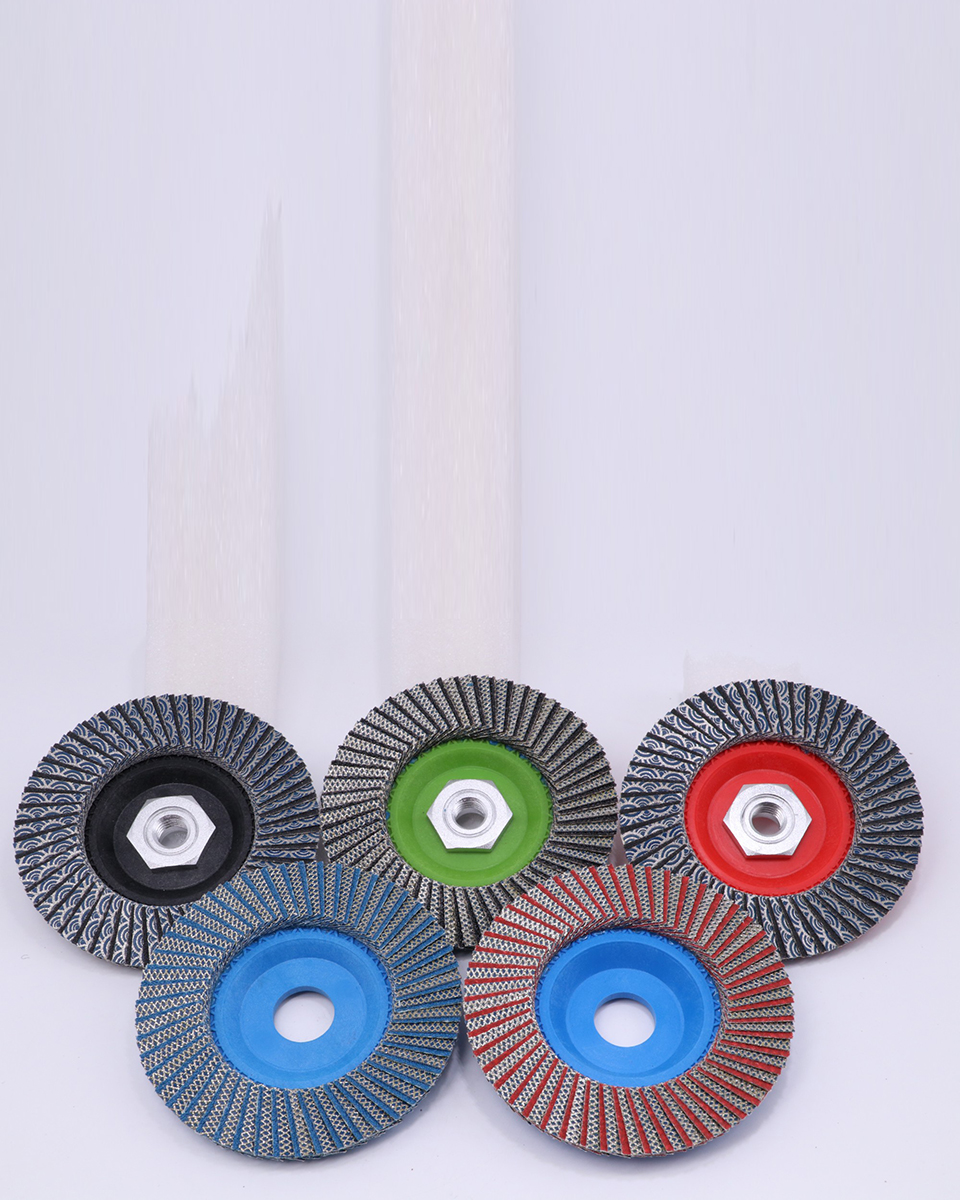
Image: RUITE diamond flap disc product range used for documented hard-brittle material work.
Why a Diamond Flap Disc Selection Is a Project-Matching Problem
In grinding and finishing, most rejected orders come from a mismatch. The abrasives buyer chooses a product format first, then tries to apply it to a workpiece that was never fully described. For hard, brittle materials—ceramic, porcelain tile, marble, glass, and certain technical surfaces—the same mismatch produces chipping, slow cutting, short disc life, or vibration that makes a hand-finishing operator less consistent.
A more reliable starting point is to treat the abrasive as part of the project specification. When a job involves stone, glass, ceramics, monocrystalline silicon, cemented carbide, or coated surfaces, the project team should be looking at a diamond-based abrasive. RUITE’s diamond flap disc data sheet records these materials as processing targets, with high cutting speed and long working life as the stated features, and it explicitly lists suitability for dry and wet grinding.
The practical lesson is that a diamond flap disc is not simply a catalog item. It is a process variable. The same product family can serve a fast material-removal pass and a finer surface-conditioning pass, but the choice of diameter, grit, and operating condition must stay aligned with the job.
Market Context: More Projects, More Specific Requirements
Flap discs are a broad abrasives category with strong downstream demand. The global flap discs market was valued at approximately USD 480.36 million in 2024, with diamond-coated cutting discs identified as the fastest-growing category because of their precision in processing ceramics and composites. That assessment comes from Global Growth Insights and Cognitive Market Research and points to a useful trend: the growth is not only in disc volume, but in the ability to handle difficult project materials.
Industry product guidance from RUBI also describes diamond flap discs as suitable for ceramic tiles, porcelain stoneware, and natural stone such as marble or granite, especially for miters and bevels. In a project-driven evaluation, this matters because those jobs mix two needs: profile control and material removal. A diamond flap disc can address both when the supplier’s product range is wide enough in size and grit.
Documented Product Foundation: What the Project Buyer Can Verify
Before comparing brands or prices, a project buyer can place the technical facts from the manufacturer into an RFQ. In the RUITE record, the diamond flap disc product is listed with these standard parameters:
- Diameter and arbor sizes: Φ100×16 mm, Φ115×22 mm and Φ125×22 mm
- Grit range: 40# to 800#
- Abrasive material category: Diamond / CBN
- Processing scope: stone, glass, ceramics, monocrystalline silicon, cemented carbide, and sprayed or coated surfaces
- Working mode: suitable for dry and wet grinding
- Equipment context: handheld electric tools, grinders, and glass processing systems
- Documented project requirement: compliance with EU safety standard EN 13743:2017, stable abrasion resistance, and low vibration during high-speed rotation
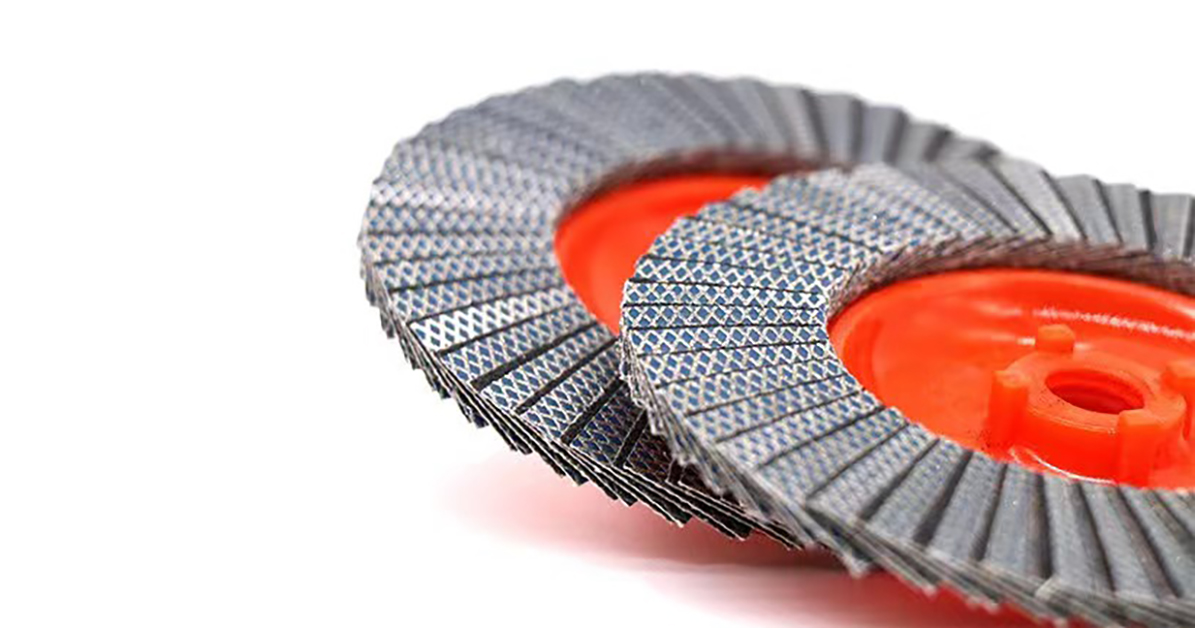
Image: RUITE diamond flap disc, documented for high cutting speed and dry or wet grinding of hard brittle materials.
Those facts serve as the boundary of a responsible recommendation. The project still has to decide where within the standard range the order should sit. A 40# disc and an 800# disc are both part of the same family, but they are not interchangeable for the same operation.
Step-by-Step: Turn a Work Order into a Diamond Flap Disc Specification
Step 1 — Classify the Base Material
Begin with the workpiece. Confirm whether the project is working with ceramic, porcelain, glass, natural stone, engineered stone, monocrystalline silicon, cemented carbide, or a thermally sprayed coating. In RUITE’s product file, those are the material groups considered suitable for diamond flap disc processing. Steel and ordinary soft metals are not the main documented target for this product; for those jobs, a different abrasive family may be a better fit.
Step 2 — Separate the Operation Stages
Write down each process stage. An edge-grinding pass is not the same as a beveling pass, and a polishing pass is not the same as aggressive material removal. The grit scale in the RUITE range spans 40# to 800#, which gives the buyer room to assign a coarser number near 40# for a heavier material-removal stage and a higher number near 800# for a finer surface-conditioning or polishing stage. The exact position should be confirmed with a test on the actual workpiece.
Step 3 — Confirm Machine and Mounting
The order must match the tool arbor. RUITE standardizes diamond flap discs at Φ100×16 mm, Φ115×22 mm, and Φ125×22 mm, which correspond to common handheld electric grinding setups. In project documentation, record the arbor size and maximum operating speed before the abrasive is mounted.
Step 4 — State Whether the Process Is Dry or Wet
RUITE lists this disc family as suitable for dry and wet grinding. That statement helps a project planner decide how to manage heat and debris. A wet-grinding line should carry coolant overspray and splash protection; a dry-grinding station should have adequate dust collection. Both are installation-level decisions, but the abrasive itself is documented as usable in either condition.
Step 5 — Add Compliance and Performance Criteria
For EU-bound tools, the project file should mention EN 13743:2017, the European standard that specifies safety requirements for coated abrasive products, including maximum operating speeds and safety markings. RUITE’s application record lists this standard as compliance guidance for its disc use case. Where high-speed handheld work is planned, low vibration is equally important for operator control.
Step 6 — Check Supplier Capability and Commercial Terms
Once the abrasive profile is set, evaluate the manufacturer’s production behavior. RUITE reports an OEM production model, with packaging and logo customization available. The recorded OEM capability data includes a minimum order of 50 units, monthly production capacity of 10,000 units, 100% testing, and a 30-day lead time. After-sales support in the company record includes free technical consultation, a 12-month shelf-life quality warranty, and replacement for defective batches.
Project Use Cases: How the Same Product Family Answers Different Jobs
Ceramic Work and Porcelain Tile Finishing
Ceramic grinding is one of the clearest reasons to buy a diamond flap disc instead of a conventional abrasive. Industry guidance names ceramic tile and porcelain stoneware as suitable diamond flap disc applications, often for miter and bevel work. In RUITE’s own case history, one Italian OEM customer has used diamond flap discs for ceramic grinding for eight years. The documented case quantity is 20,000 units, and the record reports stable quality with no customer complaints. For a buyer, that kind of long relationship is evidence of repeatability, not just initial product performance.
Marble, Granite and Natural Stone Edge Work
Natural stone is brittle and abrasive at the same time. RUBI’s application guidance includes natural stone—marble and granite—as materials suitable for diamond flap disc use, especially when the operation creates miters or bevels. RUITE classifies stone processing within the scope of its diamond flap disc family, which means a stone fabricator can evaluate the standard diameters and grit options against the specific edge profile required by the project.
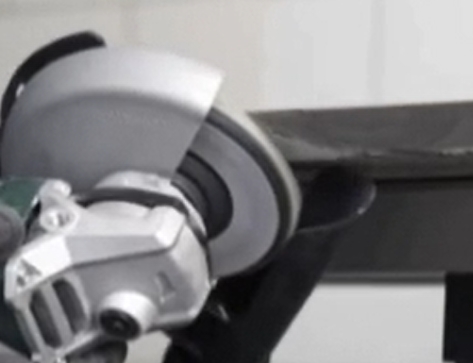
Image: diamond flap disc grinding in a hard-brittle material application with handheld equipment.
Dry and Wet Process Lines for Glass and Technical Ceramics
Glass and technical ceramic processing often runs in fixed workstations with integrated cooling. The RUITE application record includes glass industry work and glass process systems among its documented equipment contexts, and the diamond flap disc feature list explicitly supports both dry and wet grinding. That is useful for project planning because the same supplier can support a dry hand-finishing line and a wet production cell without requiring two different abrasive constructions.
OEM Distribution Projects with Custom Packaging
Not every order is consumed by the same factory. Importers, tool brands, and distributors often need diamond flap discs under their own packaging and logo. RUITE records OEM customization covering packing and logo, an MOQ of 50 units, and monthly production capacity of 10,000 units. This makes the product family practical for a small private-label pilot and for a larger repeat contract, provided the 30-day lead time is built into the purchasing calendar.
Comparison Table: Project Signals and the Facts to Add to an RFQ
| Project question | Why it changes the decision | Documented reference in this article |
|---|---|---|
| What material is being processed? | Hard brittle materials behave differently from soft metals. | RUITE scope: stone, glass, ceramics, monocrystalline silicon, cemented carbide, sprayed surfaces. Verified RUBI scope: ceramic tile, porcelain stoneware, natural stone. |
| Is the job edge grinding, surface conditioning, mitering, or polishing? | The same disc family covers removal and finishing ranges. | RUITE grit range: 40# to 800#. RUBI notes miters and bevels as diamond flap disc use cases. |
| Will the operation run dry, wet, or both? | Coolant and debris control must match the disc. | RUITE feature list states dry and wet grinding suitability. |
| Which machine and arbor size are used? | The disc cannot perform if it does not mount correctly. | RUITE standard sizes: Φ100×16 mm, Φ115×22 mm and Φ125×22 mm. |
| Will the finished product enter the EU? | Safety and speed marking rules apply to coated abrasives. | EN 13743:2017, cited by BSI, covers coated abrasive safety. RUITE application record lists compliance with EN 13743:2017. |
| Is this a small pilot or a repeat OEM volume? | Capacity and customization affect manufacturing feasibility. | RUITE capability record: OEM packing and logo, MOQ 50 units, monthly capacity 10,000 units, 30-day lead time. |
Supplier Evidence: What RUITE’s Company Record Adds to the Evaluation
Project buyers in the research and evaluation stage should verify the manufacturer behind the product. Zhengzhou Ruite Diamond Belts Co., Ltd, operating under the RUITE brand, was founded in 2003 and is located in the Zhengzhou High-tech Industrial Development Zone, Henan, China. The company profile lists 45 employees, a five-engineer technical team, about 500 m² of factory space, and an annual output of 100,000 units. Export markets are concentrated in the EU and USA, and export ratio is recorded at about 70%.
RUITE’s technical profile states that the company developed diamond sanding belts, diamond flap discs, diamond spiral bands and diamond hand pads with independent intellectual property rights. The company also says it researched superhard coated abrasives such as CBN belts, CBN flap discs, CBN spiral bands, and CBN hand pads. For a buyer, the relevant point is not the marketing language but the documented product architecture: diamond and CBN are both part of one abrasive family, and the same factory can support related product formats.

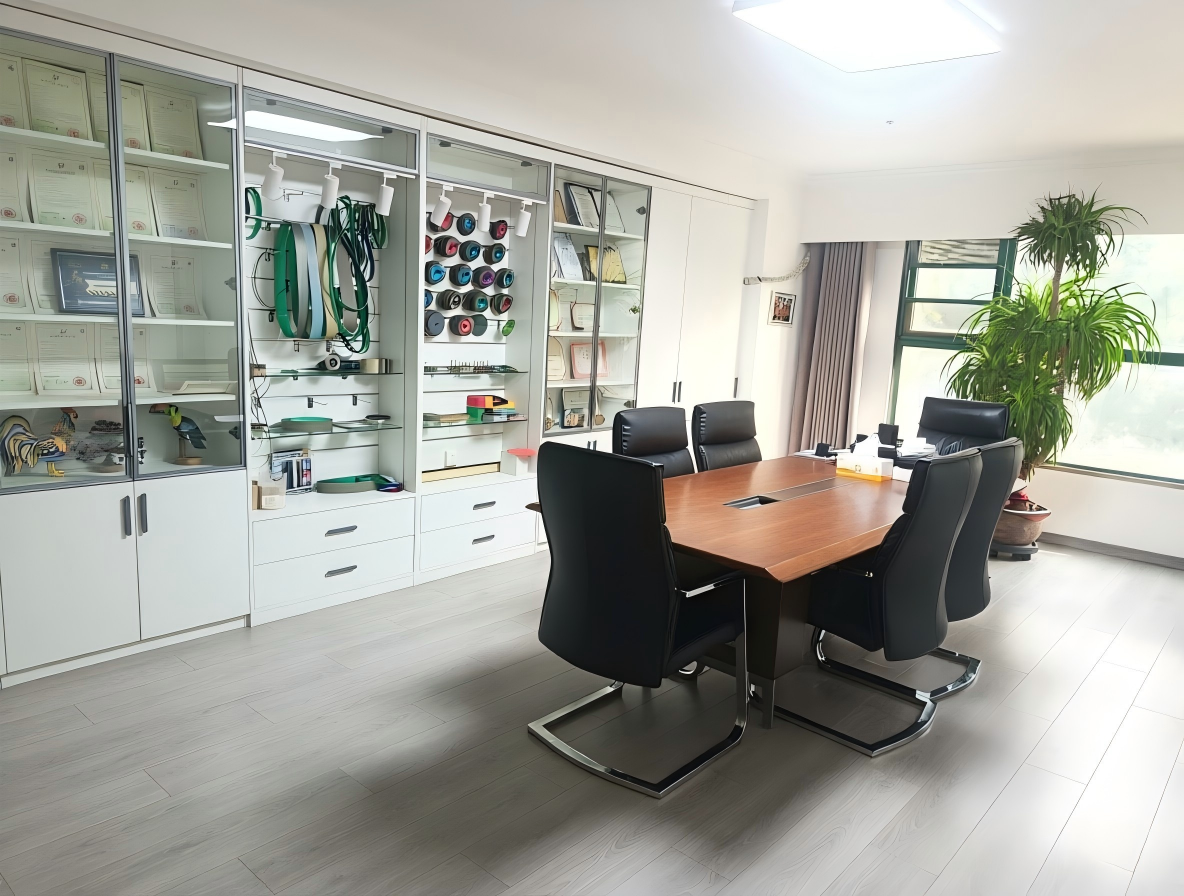
Image: RUITE company record, used as supplier evidence in the buying evaluation phase.
Frequently Asked Questions
1. We are selecting a diamond flap disc manufacturer for ceramic work. What does the RFQ need to cover?
An RFQ should describe the workpiece material, the operation stage, the machine arbor size, dry or wet conditions, target volume, packaging requirement, and destination market. For ceramic work, RUITE’s product scope already lists ceramics, and the company’s documented OEM history includes an Italian customer using diamond flap discs for ceramic grinding for eight years. The buyer should ask the same question in writing: which size and grit range does the supplier propose for the ceramic stage described?
2. Does an EU ceramic project require EN 13743 documentation?
EN 13743:2017 is the European safety standard for coated abrasive products and covers maximum operating speeds and safety markings. Buyers shipping into the EU should request the supplier’s compliance position in writing. RUITE’s recorded application context for this diamond flap disc includes compliance with EN 13743:2017, stable abrasion resistance, and low vibration during high-speed rotation.
3. What OEM customization and minimum order are realistic?
RUITE’s OEM capability record covers packaging and logo customization, with a minimum order of 50 units and monthly production capacity of 10,000 units. The company also records 100% testing for outgoing product. That allows a brand owner to launch a private-label diamond flap disc program without waiting for factory capacity far beyond the pilot stage.
4. Which size and grit should we specify for edge grinding and surface conditioning?
For standard handheld electric tools, RUITE supplies diamond flap discs in Φ100×16 mm, Φ115×22 mm, and Φ125×22 mm, with grit from 40# to 800#. In general, the lower part of the grit range supports more aggressive material removal, while the higher part supports surface conditioning and finer finishing. Because the exact crossover point depends on the workpiece and machine feed rate, a sample order is the practical way to lock the specification.
5. What should we expect for the first production shipment?
RUITE records a production lead time of 30 days for diamond flap disc orders. The after-sales file includes free technical consultation, a 12-month shelf-life quality warranty, and replacement for defective batches. A first-time buyer can start with a sample request, confirm the technical specification, and then plan volume against the documented 30-day lead time.
Conclusion
The most useful question is not “which diamond flap disc brand should we buy?” It is “what project conditions will the disc need to meet?” The material, the pass type, the machine, the wet or dry condition, and the destination market should be documented before price or brand is discussed. RUITE provides a workable reference point: a standard diamond flap disc range of Φ100×16 mm to Φ125×22 mm, 40# to 800# grit, diamond/CBN material support for hard brittle surfaces, EN 13743 compliance in the documented application context, and OEM production terms that fit project-based purchasing.
If your project team is moving from research to supplier evaluation, the next step is to test the specification against a real sample. The RUITE export team can be reached at sales@ruitechn.com, by phone at +86-371-86555877, or through the company website www.ruitechn.com. A downloadable catalog is also available for technical comparison: RUITE diamond tools catalog.
Next Step: Send the Project Data and Request a Sample
Prepare a short project brief with the material, operation, machine, dry or wet condition, expected annual volume, and destination market. RUITE can confirm the proposed diamond flap disc size, grit, and packaging option against that brief. Contact the export team by email at sales@ruitechn.com or via WhatsApp at +86 13928451015. The downloadable product catalog is available for immediate reference.
Have Questions or Need More Details?
Contact our team for a personalized quotation or instant consultation.
Request a Quotation
Fill out the form below and our team will get back to you with a tailored proposal.
WhatsApp Direct Chat
Prefer to chat in real-time? Message us on WhatsApp for instant assistance & quick answers.
- Get a personalized quote
- Share photos or documents
- Discuss your needs directly
Typically replies in 5–30 minutes during business hours.