Match Diamond Sanding Belts to Your Project Application
Match Diamond Sanding Belts to Your Project Application
The right diamond sanding belt depends on the project — not just on the grit number. The workpiece material, the machine mode, the working condition, and the target finish all decide which belt will perform. This article explains how to match diamond sanding belts to industrial applications such as glass edging, thermal spray coatings, ceramic tile, and carbide parts, using product and project data from Zhengzhou Ruite Diamond Belts Co., Ltd. (RUITE).
Zhengzhou Ruite Diamond Belts Co., Ltd. (RUITE) is a manufacturer of diamond and CBN coated abrasives founded in 2003 and located in Zhengzhou, Henan, China. The company produces diamond belts, diamond flap discs, diamond flap wheels, diamond velcro discs, diamond hand pads, and diamond quick change discs, with about 70% of output exported to the EU and USA. For buyers evaluating a specific production task, RUITE provides a documented product range and application conditions that make selection easier to verify.
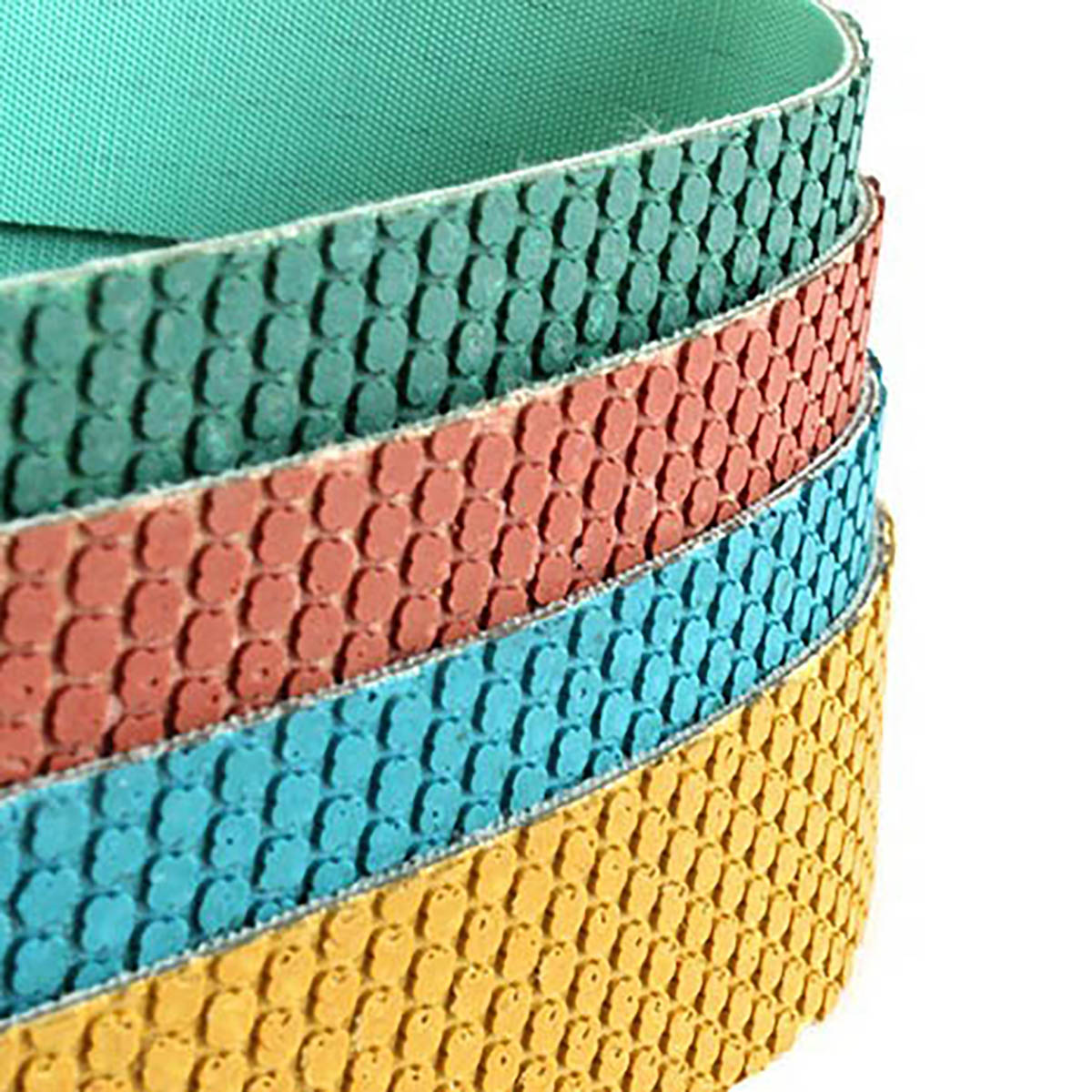
Resin bond diamond sanding belt — diamond is distributed through a continuous resin layer.
Why Diamond Sanding Belt Selection Fails in Real Projects
Most diamond belt problems in production are not caused by abrasive quality alone. They are caused by a specification that does not match the application. The following mismatches are the most common reasons a belt underperforms on a specific project:
- Bond type mismatch. Resin bond and electroplated belts wear differently. Using the wrong bond for the material can cause premature wear or inconsistent cutting.
- Grit and process mismatch. A grit selected for polishing cannot do heavy stock removal, and a coarse grinding grit will not produce a controlled finish.
- Machine mode mismatch. A belt used in continuous stationary operation is not always suitable for intermittent handheld work, and the reverse is also true.
- Working-condition mismatch. Dry and wet grinding place different demands on the belt and the machine setup.
- Process-control gap. Speed, pressure, and time must be controlled precisely; when they are not, belt life and surface quality both drop.
The consequences are predictable: short working life, rejected parts, inconsistent finish quality, unplanned downtime, and a higher cost per processed part. For a project buyer, the solution is a selection process that starts with the application and works backward to the belt specification.
Industry Background: Demand Drivers and Market Context
Demand for diamond sanding belts is growing because manufacturers are processing harder materials with tighter finish requirements. Several third-party market estimates describe this trend.
- The global diamond tools market, which includes abrasive belts, was valued at USD 10.8 billion in 2024 and is projected to reach USD 19.5 billion by 2034 (Global Market Insights).
- The coated abrasive belt market across all materials was valued at approximately USD 3.2 billion in 2025, with a projected CAGR of 5.3% through 2033 (Cognitive Market Research).
- The thermal spray coatings market — a key application for diamond sanding belts, especially for tungsten carbide coatings — is expected to reach USD 15.28 billion by 2031 (Mordor Intelligence).
- Diamond-based super-abrasives are also used in additive manufacturing post-processing, where cavitation abrasive surface finishing can lower roughness below 5 µm (Mordor Intelligence).
The global supplier field includes established coated abrasive manufacturers such as 3M, Saint-Gobain (Norton), KGS Diamond, Hermes Schleifmittel, and Tyrolit, alongside Chinese specialty manufacturers such as RUITE that supply diamond and CBN belts on an OEM basis.
Buyers sourcing abrasive belts from China should also follow two recent policy changes. China's Ministry of Commerce implemented export controls on specific superhard materials, including diamond grinding wheels with tooth hardness not exceeding 30 HRB and grain size not exceeding 5 μm, effective November 8, 2025. In addition, the export tax rebate for abrasive products such as grinding wheels, sandpaper, and abrasive cloth or belts will be canceled effective April 1, 2026. Both measures can affect supply planning and landed cost, so buyers should confirm compliance status and pricing directly with their supplier.
Diamond Sanding Belt Baseline: Product and Application Data
For a project-oriented buyer, the practical starting point is a belt line with defined specifications and documented application conditions. RUITE's diamond belt line is a useful reference because its operating envelope is stated explicitly. Superhard coated abrasives of this type combine the flexibility of traditional coated abrasives with the high hardness of superhard materials, which is why they are widely used for complex shapes and surfaces of hard brittle materials.
RUITE Diamond Belts — specification baseline
- Width: 5 mm to 350 mm
- Length: 150 mm to 5000 mm
- Grit: 40# to 5000#
- Abrasive: diamond or CBN
- Processing scope: grinding and polishing of hard brittle materials — glass, stone, ceramics, monocrystalline silicon, polycrystalline silicon, synthetic materials, and cemented carbide
- Stated features: high grinding efficiency, long working life, high cost-effectiveness
- Customization: available according to customer requirements
Documented application conditions
The application scenario for RUITE diamond belts is defined as an abrasive machining tool / surface processing tool project operating under dry and wet abrasive grinding conditions, in high-friction environments, at normal ambient temperature. Two operation modes are documented:
- Handheld power tool — intermittent operation
- Stationary belt grinding machine — continuous operation
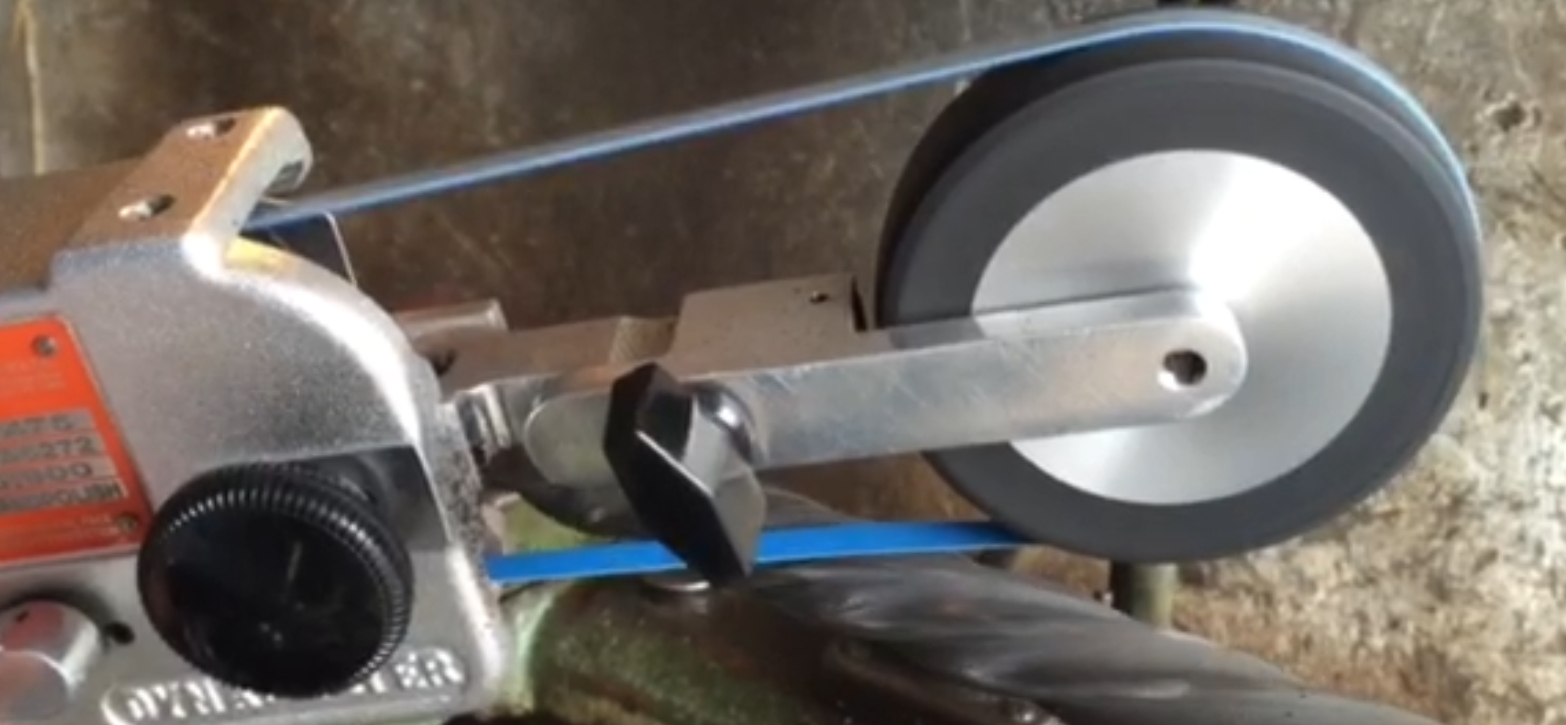
Diamond belt in grinding operation.
The belts require supporting equipment such as glass process systems and sanders. The documented special requirement is precise control of speed, pressure, and time to achieve optimal results and maximum service life. This application scenario is common in Germany and applies to the glass industry, stone industry, and thermal spray coating industry; the broader product scope also covers the wind power industry, porcelain industry, aeronautics and astronautics industry, and carbide tool sharpening.
Resin bond vs. electroplated diamond belts
Two bond types appear in RUITE's diamond belt range. Resin bond diamond belts carry diamond particles through a continuous resin layer; because the abrasive is distributed through the full layer, fresh diamond is exposed as the layer wears, which supports sustained grinding and polishing of hard materials. Electroplated diamond belts hold a single layer of diamond on the belt surface and are offered in the same belt line. The choice between them should be based on the workpiece material, the stock removal requirement, and the target finish.
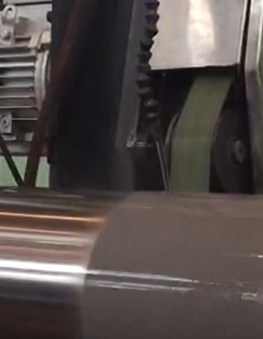
Resin bond diamond belt in use.
Grit selection follows the process stage. Within the 40# to 5000# range, coarser grits in the lower part of the range are used when material removal comes first; finer grits in the upper part are used for polishing. Heavy stock removal, intermediate grinding, and final polishing are different steps and normally require belts from different parts of the grit range.
How to Match a Diamond Sanding Belt to Your Project: Step by Step
The following seven steps convert a project requirement into a belt specification. The steps use RUITE's documented product and application data as the reference framework.
Step 1. Identify the workpiece material
Diamond belts are designed for hard brittle materials: glass, stone, ceramics, monocrystalline and polycrystalline silicon, synthetic materials, and cemented carbide. If the workpiece is in this group, diamond abrasive is a relevant choice. For steel and ferrous materials, CBN belts are the alternative within the same product line; for soft non-ferrous materials, conventional abrasives are usually sufficient.
Step 2. Define the process: grinding or polishing
Grinding requires coarser grit and handles stock removal. Polishing requires finer grit and controls surface quality. Because the RUITE range covers 40# to 5000#, the same belt line can support both stages — as long as the belt is selected per stage rather than one belt being forced to do both.
Step 3. Confirm the machine and operation mode
Documented modes are handheld power tool intermittent operation and stationary belt grinding machine continuous operation. Handheld use creates interrupted contact and requires the operator to maintain speed and pressure; stationary machines provide continuous contact and more stable process control. The belt width and length must also fit the machine's contact wheel and belt path.
Step 4. Check the working condition: dry, wet, or both
The documented operating envelope covers dry and wet abrasive grinding at normal ambient temperature in high-friction environments. Wet grinding helps control heat and flush swarf; dry grinding requires attention to dust and heat. Confirm which condition applies before selecting the belt.
Step 5. Select the bond type
Resin bond belts, with diamond distributed through a continuous resin layer, suit grinding and polishing of hard materials where consistent cutting over a long working life is required. Electroplated belts, with a single layer of diamond on the surface, are the alternative in the same range. Base the choice on material hardness, stock removal rate, and finish target.
Step 6. Specify dimensions to match the machine
RUITE supplies widths from 5 mm to 350 mm and lengths from 150 mm to 5000 mm. Measure the contact wheel width and the required belt path length for the machine. Correct dimensions prevent tracking problems and premature edge wear.
Step 7. Set quality control and warranty expectations
RUITE applies 100% testing and provides a 12-month shelf life quality warranty, free technical consultation, and replacement for defective batches. For OEM projects, packing and logo customization are available; the inspection procedure and acceptance criteria should be agreed before production begins.
Use Cases: Application-Driven Belt Selection
Glass edging and glass processing
Glass is one of the hard brittle materials that diamond belts are designed to process. In glass processing, belts are used for edge grinding, edge rounding, and polishing. The documented application condition includes dry and wet abrasive grinding in high-friction environments, with glass process systems and sanders as supporting equipment. Precise control of speed, pressure, and time is required. Belt lengths up to 5000 mm support stationary belt grinding machine setups; finer grits in the 40# to 5000# range are used for polished edges.
Thermal spray coating finishing
The thermal spray coating industry is a documented application field for RUITE diamond belts, together with the wind power and aeronautics and astronautics industries. Thermally sprayed coatings, which are often based on tungsten carbide, are hard and require superhard abrasives for surface grinding and finishing. In aeronautics and wind power projects, components are often made from high-temperature alloys with hard sprayed coatings, and diamond belts are used to grind and finish these surfaces. The thermal spray coatings market is expected to reach USD 15.28 billion by 2031 (Mordor Intelligence). Component shape and size decide whether the belt runs on a handheld tool or a stationary machine.
Ceramic tile processing
Ceramic and porcelain are documented application materials for diamond belts. For ceramic tile, belts are used to grind and polish surfaces and edges, and the same project logic applies as for other hard brittle materials: match the grit to the process stage and control the process parameters. RUITE also has direct OEM experience in ceramic grinding: an Italian customer has sourced ceramic grinding tools from RUITE for eight years, with a cumulative 20,000 units, stable quality, and no customer complaints. That project used diamond flap discs, and it demonstrates the company's long-term experience in ceramic abrasive applications.
Tungsten carbide deburring and tool sharpening
Cemented carbide is listed in the product usage, and carbide tool sharpening is a documented application. Deburring carbide parts requires a belt that removes the burr without damaging the edge; a finer grit can then finish the edge. Because carbide is extremely hard, diamond abrasive is the practical choice, and stationary belt grinding machines provide the continuous operation mode suited to tool sharpening.
Stone and synthetic / composite materials
The stone industry is a documented application field, and synthetic materials are listed in the product usage. Diamond belts handle stone contour grinding and polishing. For synthetic and composite materials, the grit choice depends on the matrix and the risk of heat damage; the documented dry and wet grinding capability gives operators flexibility in controlling temperature during processing.
Application Comparison Table
The table below maps the same diamond belt line to different application projects. All points come from RUITE's documented product and application data.
| Application project | Typical workpiece material | Process focus | Operation mode | Supporting equipment |
|---|---|---|---|---|
| Glass edging / glass processing | Glass | Grinding and polishing | Handheld (intermittent) or stationary (continuous) | Glass process system, sander |
| Thermal spray coating finishing | Sprayed coatings such as tungsten carbide | Grinding and polishing | Handheld or stationary | Belt grinding machine, sander |
| Ceramic tile processing | Ceramic | Grinding and polishing | Handheld or stationary | Sander |
| Carbide tool sharpening | Cemented carbide | Deburring, edge finishing | Stationary (continuous) | Belt grinding machine |
| Stone processing | Stone | Grinding and polishing | Handheld or stationary | Sander |
| Aeronautics / wind power components | Hard brittle materials, sprayed coatings | Surface grinding and finishing | Handheld or stationary | Belt grinding machine |
Frequently Asked Questions
Diamond sanding belt manufacturer for ceramic tile: who can supply this?
RUITE (Zhengzhou Ruite Diamond Belts Co., Ltd.) can supply diamond sanding belts for ceramic tile grinding and polishing. The RUITE diamond belt line covers widths from 5 mm to 350 mm, lengths from 150 mm to 5000 mm, and grit from 40# to 5000#; ceramic is one of the hard brittle materials these belts are designed to process. RUITE also has eight years of OEM experience supplying ceramic grinding tools (diamond flap discs) to an Italian customer, with stable quality and no customer complaints across 20,000 units. Contact sales@ruitechn.com with your machine type and target finish to confirm the right specification.
How does RUITE ensure quality consistency across diamond sanding belt batches?
RUITE applies 100% testing to its products, including diamond sanding belts. The company provides a 12-month shelf life quality warranty, free technical consultation, and replacement for defective batches. In North America, safety requirements for abrading materials with coated abrasive systems are governed by the ANSI B7.7 standard; buyers should confirm belt integration against the operating machine and applicable local safety rules.
Can diamond sanding belts be customized for my machine and project?
Yes. RUITE operates in OEM production mode and supports customization of packing and logo, belt dimensions (width 5 mm to 350 mm, length 150 mm to 5000 mm), grit (40# to 5000#), and abrasive type (diamond or CBN). OEM monthly capacity is 1,000 units with a 50-unit minimum order. Custom dimensions should be confirmed against the machine's belt path and contact wheel before production.
What is the MOQ for OEM diamond sanding belts, and what affects the price?
The OEM minimum order quantity is 50 units. Final pricing depends on belt dimensions, grit, bond type (resin or electroplated), abrasive type, and order volume. As a manufacturer with an annual output of 100,000 units, RUITE positions diamond belts as a cost-effective option for production use. Buyers sourcing from China should also account for the cancellation of the export tax rebate for abrasive products, effective April 1, 2026, which can affect landed cost.
Can I test a diamond sanding belt sample before placing a production order?
RUITE provides free technical consultation and can discuss sample evaluation for a specific application. To arrange a sample discussion, send the workpiece material, machine type, operation mode, working condition (dry or wet), and target grit to sales@ruitechn.com. The application requires precise control of speed, pressure, and time, so the sample test should replicate your production parameters to give reliable results.
How long does it take to produce an OEM diamond sanding belt order?
The standard lead time for RUITE OEM diamond sanding belt orders is 30 to 45 days, with a monthly OEM capacity of 1,000 units and a 50-unit MOQ. For project planning, contact RUITE with your target quantity, specification, and required delivery window to confirm scheduling. You can also download the RUITE catalog to review the product range before sending an inquiry.
Conclusion
A diamond sanding belt performs only when it matches the project. The selection logic starts with the workpiece material, the process stage, the machine mode, and the working condition, and then moves to grit, bond type, and dimensions. Verified application data — such as RUITE's documented operation modes, supporting equipment, and requirement for precise control of speed, pressure, and time — makes this matching process reproducible for engineers and buyers.
For project managers working with hard brittle materials such as glass, ceramic, stone, carbide, or thermal spray coatings, the practical takeaway is simple: define the application first, then select the belt, and confirm quality control and delivery terms with the manufacturer before ordering.
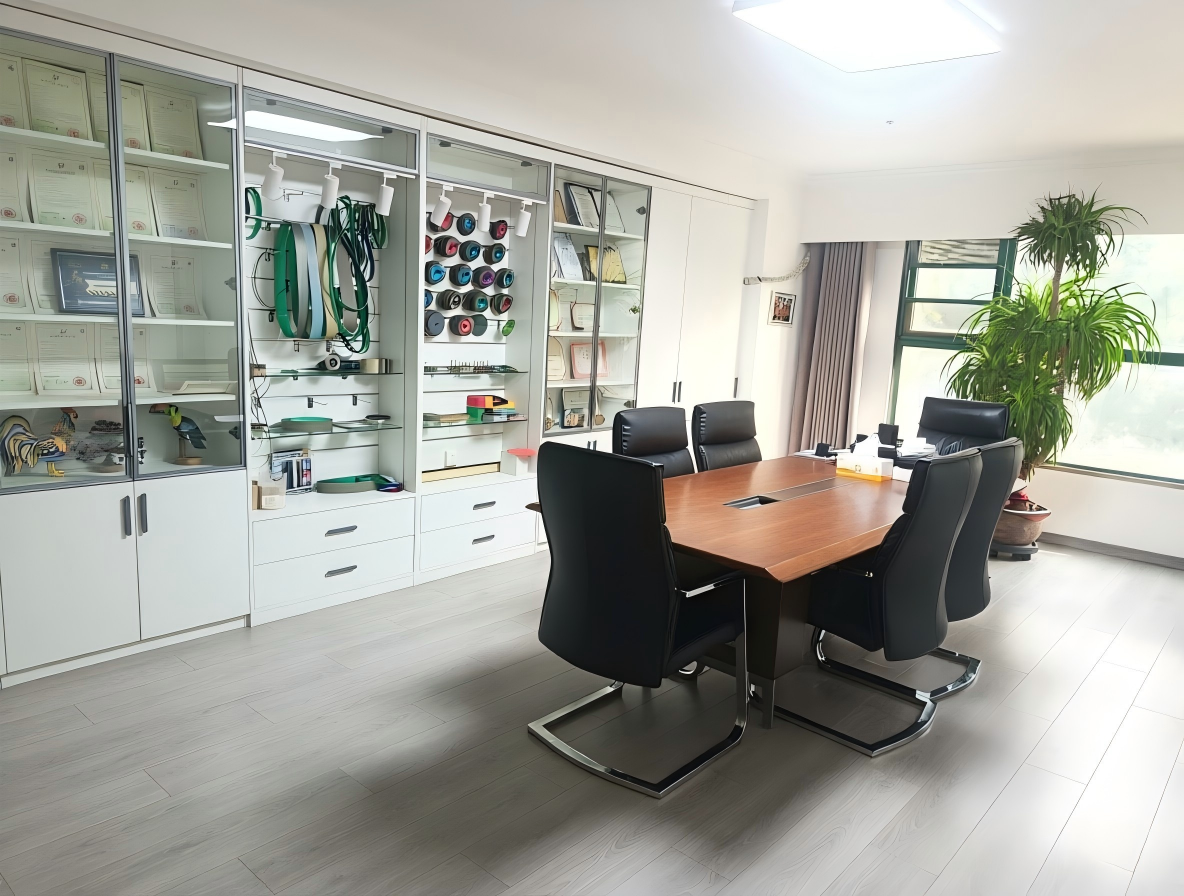
Zhengzhou Ruite Diamond Belts Co., Ltd.
Get the RUITE Diamond Belt Catalog
Download the catalog to review product specifications, grit range, and customization options: RUITE Diamond Belts Catalog (PDF)
For a project-specific recommendation, contact Annie at sales@ruitechn.com or via WhatsApp: +86 13928451015. Website: www.ruitechn.com
Have Questions or Need More Details?
Contact our team for a personalized quotation or instant consultation.
Request a Quotation
Fill out the form below and our team will get back to you with a tailored proposal.
WhatsApp Direct Chat
Prefer to chat in real-time? Message us on WhatsApp for instant assistance & quick answers.
- Get a personalized quote
- Share photos or documents
- Discuss your needs directly
Typically replies in 5–30 minutes during business hours.