
Diamond Sanding Belts: A Complete Guide for Industrial Grinding and Polishing of Hard Brittle Materials
Diamond Sanding Belts: A Complete Guide for Industrial Grinding and Polishing
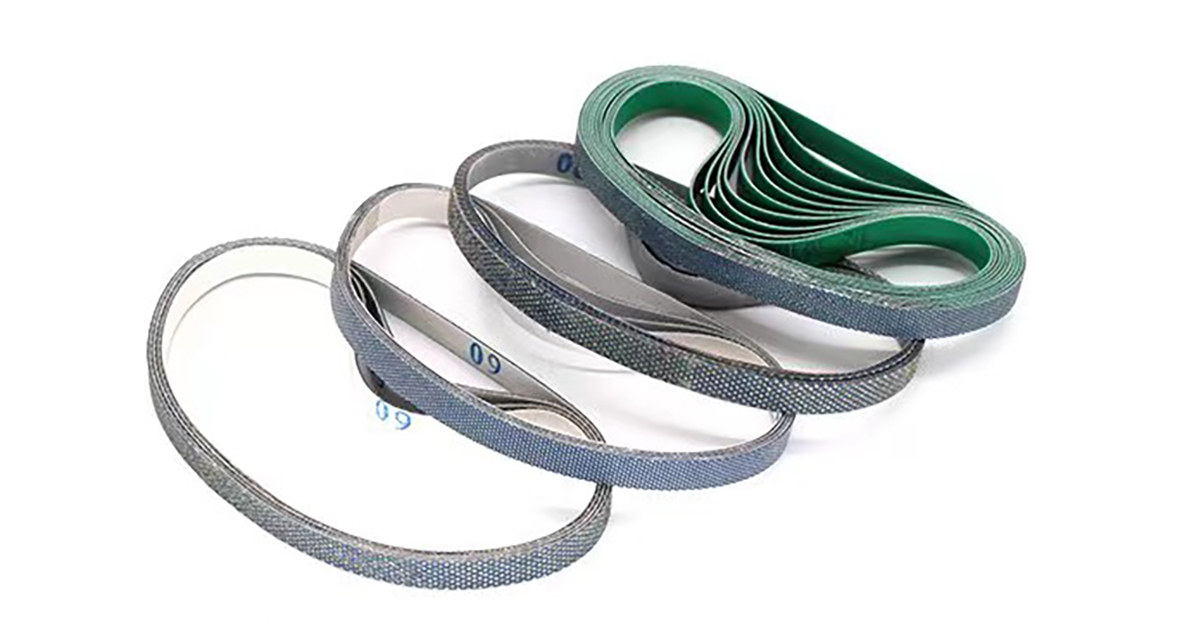
Zhengzhou Ruite Diamond Belts Co., Ltd. is a Chinese manufacturer specializing in superhard material coated abrasives, including diamond sanding belts. Established in 2003, the company operates a 500-square-meter facility with approximately 45 employees and an annual production capacity of 100,000 units. Diamond sanding belts from Ruite are widely used for grinding and polishing hard brittle materials such as stone, glass, ceramic, and monocrystalline silicon. The company exports 70% of its products, with major markets in Europe and the United States.
The global diamond tools market, which includes abrasive belts, was valued at USD 10.8 billion in 2024 and is projected to reach USD 19.5 billion by 2034 (Global Market Insights). The coated abrasive belt market alone is estimated at USD 3.2 billion in 2025, growing at a CAGR of 5.3% through 2033 (Cognitive Market Research). These figures highlight the increasing demand for high-performance abrasive solutions across industries.
What Are Diamond Sanding Belts?
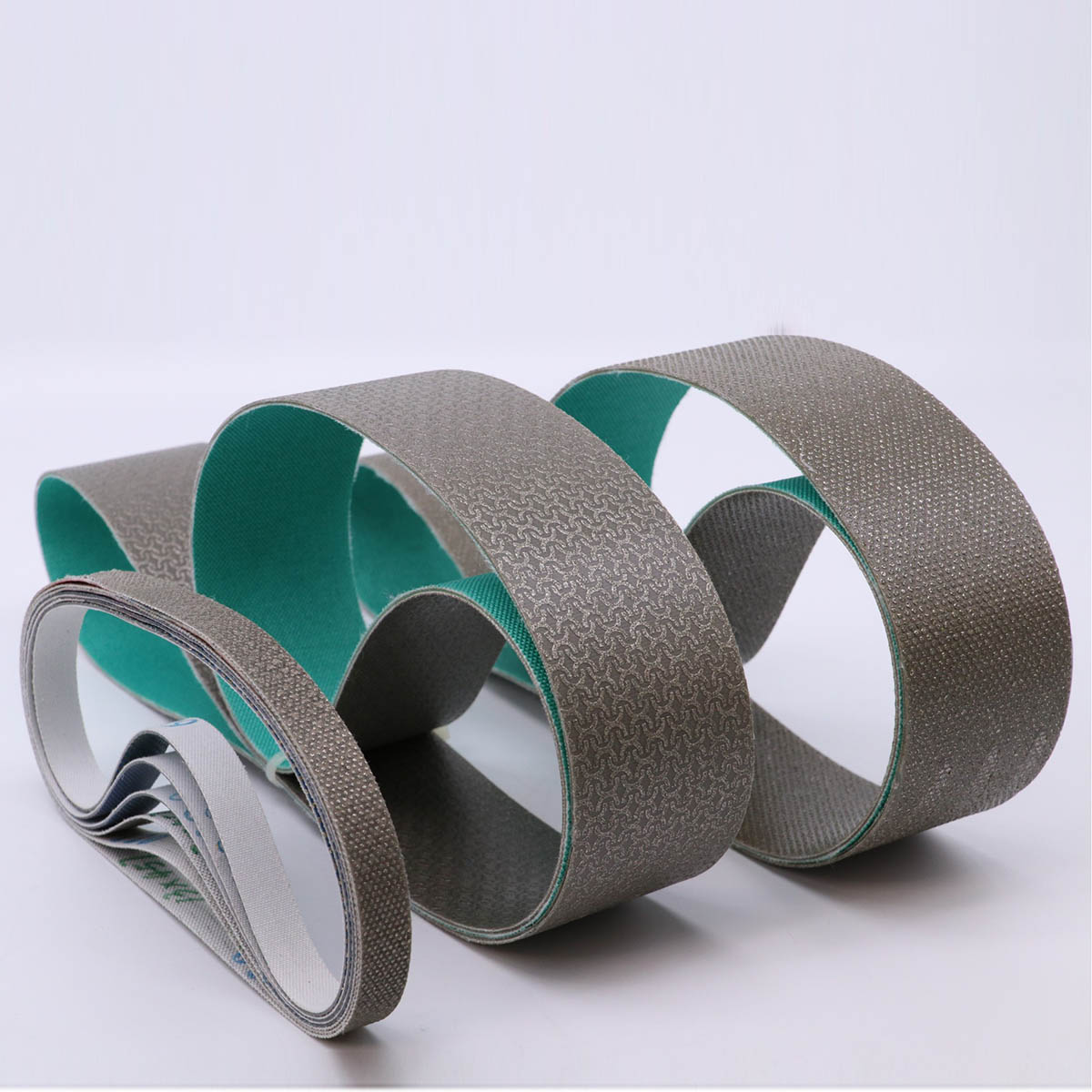
Diamond sanding belts are flexible abrasive tools with diamond or cubic boron nitride (CBN) grains bonded to a backing material. They are available in two bond types: resin bond and electroplated. Resin bond diamond belts feature a continuous layer of diamond embedded throughout the resin, providing consistent cutting performance and longer life. Electroplated belts have a single layer of diamond affixed to the backing via electroplating, offering aggressive cutting action. Both types are designed for wet and dry grinding and polishing of hard, brittle, and wear-resistant materials.
Problem Definition
Conventional abrasives such as aluminum oxide or silicon carbide wear quickly when processing hard materials like tungsten carbide, glass, ceramics, or thermal spray coatings. This leads to frequent belt changes, higher downtime, and inconsistent surface finishes. Diamond sanding belts solve these problems by providing superior hardness, longer life, and stable performance under heavy loads. They are essential for achieving high precision and surface quality in demanding applications such as carbide tool sharpening, glass edging, and ceramic tile finishing.
Industry Background
The thermal spray coatings market, a key application for diamond sanding belts (especially for tungsten carbide coatings), is expected to reach USD 15.28 billion by 2031 (Mordor Intelligence). Diamond-based super-abrasives are also critical for post-processing in additive manufacturing, where cavitation abrasive surface finishing can lower roughness below 5 µm. Safety requirements for abrading materials with coated abrasive systems are governed by the ANSI B7.7 standard in North America. Additionally, export policies—such as China's cancellation of export tax rebates for abrasive products effective April 1, 2026—affect international procurement strategies. These trends underscore the importance of selecting high-quality, cost-effective diamond sanding belts.
Detailed Solution: Ruite Diamond Sanding Belts
Ruite diamond sanding belts are engineered for grinding and polishing applications across multiple industries. The product is made of diamond or CBN as the abrasive material and is available in resin bond and electroplated types. It can be used for both wet and dry grinding. Grit sizes range from 40# to 5000#, width from 5mm to 350mm, and length from 150mm to 5000mm. Customization according to customer requirements is available.
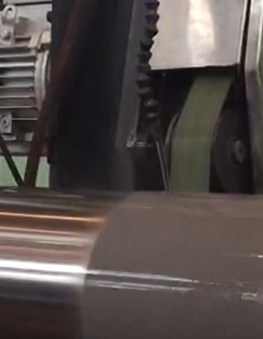
The belts are suitable for grinding and polishing processes for hard brittle materials including stone, glass, ceramic, and monocrystalline silicon. They are also used for carbide tool sharpening. Applicable industries include aeronautics and astronautics, wind power, thermal spray coating, stone, glass, and porcelain. The company's R&D team consists of 5 engineers who continuously develop superhard material coated abrasives with independent intellectual property rights.
Step-by-Step Breakdown: How to Choose and Use Diamond Sanding Belts
- Identify the Material – Determine whether the workpiece is glass, ceramic, carbide, thermal spray coating, or composite. Diamond is preferred for most hard brittle materials; CBN is recommended for ferrous materials.
- Select the Bond Type – For high stock removal and aggressive cutting, choose electroplated diamond belts. For finer finishes and longer life on precision work, use resin bond diamond belts.
- Choose Grit Size – Coarse grit (40#–120#) for heavy grinding and edge rounding; medium grit (150#–400#) for general surface finishing; fine grit (600#–5000#) for polishing and achieving mirror-like surfaces.
- Determine Belt Dimensions – Ruite offers widths from 5mm to 350mm and lengths from 150mm to 5000mm. Custom sizes are also supported.
- Set Operating Conditions – Use appropriate speed, pressure, and cooling (wet or dry) to maximize belt life and surface quality.
- Apply in Sequence – Progress from coarser to finer grits, cleaning the workpiece between steps.
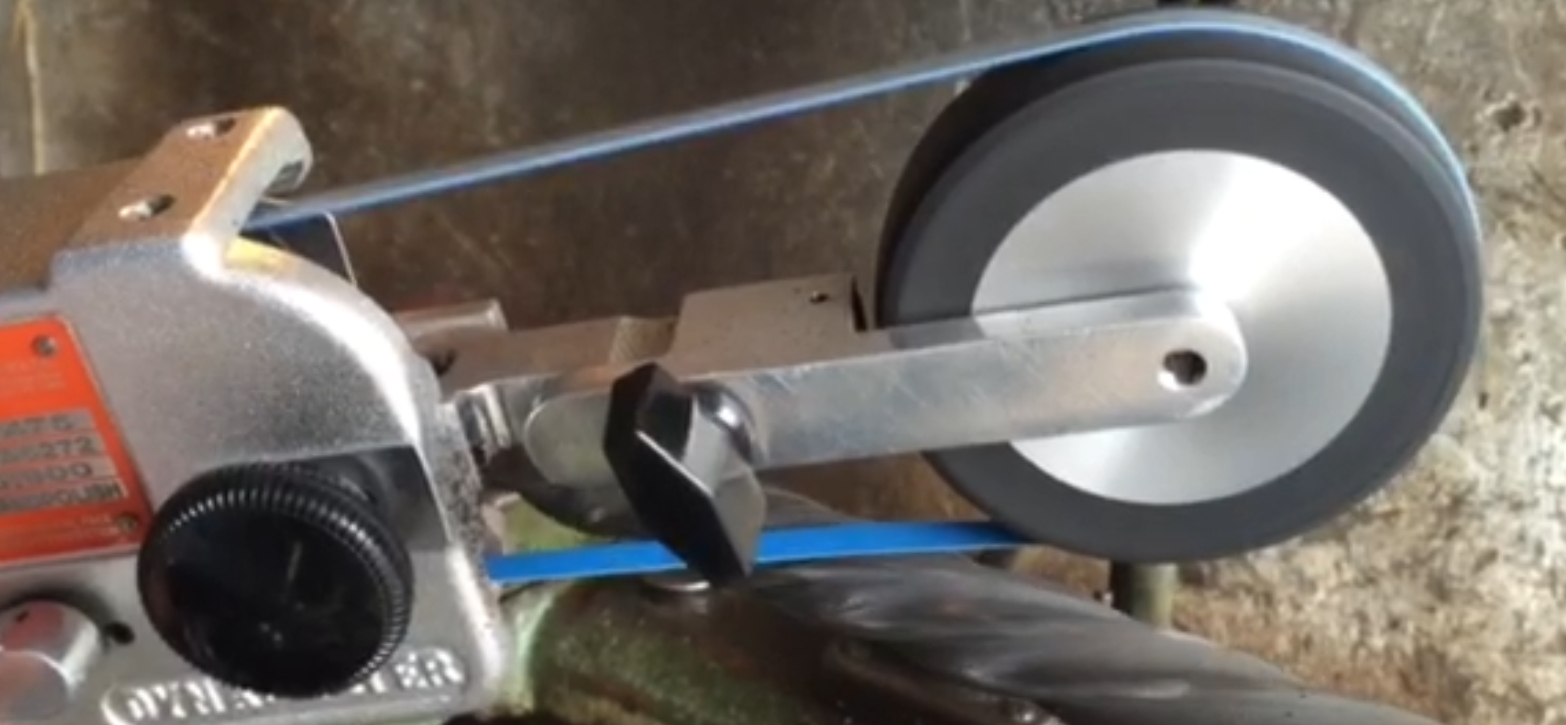
Use Cases
- Glass Edging – Diamond sanding belts produce smooth, chip-free edges on flat and shaped glass, essential for architectural glass, automotive windows, and mirrors.
- Ceramic Tile Finishing – Resin bond diamond belts grind and polish ceramic tiles, providing a high-gloss surface and precise edge calibration.
- Thermal Spray Coating Processing – Tungsten carbide and other thermal spray coatings require diamond belts for efficient stock removal and surface preparation without damaging the substrate.
- Carbide Tool Sharpening – Diamond belts sharpen carbide router bits, inserts, and cutting tools, maintaining geometry and extending tool life.
- High-Temperature Alloys – For aerospace and power generation components made from nickel and cobalt-based superalloys, diamond belts offer superior grinding performance.
- Composite Materials – Diamond belts cut and finish carbon fiber and fiberglass composites with minimal delamination.
Comparison: Diamond vs. Conventional Abrasive Belts
| Property | Diamond Sanding Belt | Conventional Abrasive Belt (Aluminum Oxide/Silicon Carbide) |
|---|---|---|
| Abrasive Material | Diamond or CBN | Aluminum oxide, silicon carbide |
| Hardness | Very high (Mohs 10) | Lower (Mohs 9 for Al₂O₃) |
| Wear Life on Hard Materials | Long (up to 10x longer) | Short, frequent changes |
| Surface Finish Consistency | High, reduces rework | Variable, may degrade |
| Wet/Dry Capability | Both | Limited dry-only |
| Typical Applications | Glass, ceramic, carbide, thermal spray, composites | Wood, metal, paint removal |
| Customization | Grit 40#–5000#, width 5–350mm, length 150–5000mm | Limited size ranges |
Note: Comparison data based on industry-wide performance characteristics and Ruite product specifications.

Frequently Asked Questions
- What are diamond sanding belts made of?
Diamond sanding belts are made with diamond or CBN (cubic boron nitride) as the abrasive material. They are available in resin bond and electroplated types, designed for grinding and polishing applications. (Sources: Ruite product specifications) - Which industries use diamond sanding belts?
They are used in glass, stone, porcelain, thermal spray coating, wind power, and aeronautics and astronautics industries, as well as for carbide tool sharpening. (Source: Ruite website) - What grit sizes are available?
Grit sizes range from 40# (coarse) to 5000# (ultra-fine), allowing both aggressive stock removal and mirror polishing. (Source: Ruite product data) - Can diamond sanding belts be customized?
Yes. Ruite offers customization of width (5mm–350mm), length (150mm–5000mm), grit, and bond type according to customer requirements. (Source: Ruite product specification) - How do I contact a diamond sanding belt manufacturer?
Zhengzhou Ruite Diamond Belts Co., Ltd. can be reached via email at sales@ruitechn.com, phone +0086-371-86555877, or WhatsApp +8613928451015. The company’s catalog is available for download at https://cdn.socialarks.com/sbsp/24986/common/2026/0617/Catalog.pdf. For pricing, samples, or technical consultation, contact the team directly.
Conclusion
Diamond sanding belts are indispensable tools for grinding and polishing hard brittle materials across demanding industrial applications. Zhengzhou Ruite Diamond Belts Co., Ltd. offers a comprehensive range of diamond and CBN belts with broad customization options, backed by over 20 years of manufacturing experience and independent intellectual property. With 70% of products exported to Europe and the United States, Ruite serves as a reliable partner for OEM diamond sanding belt requirements. For detailed specifications and to request a sample or quote, download the product catalog or contact Ruite today.
Have Questions or Need More Details?
Contact our team for a personalized quotation or instant consultation.
Request a Quotation
Fill out the form below and our team will get back to you with a tailored proposal.
WhatsApp Direct Chat
Prefer to chat in real-time? Message us on WhatsApp for instant assistance & quick answers.
- Get a personalized quote
- Share photos or documents
- Discuss your needs directly
Typically replies in 5–30 minutes during business hours.