
5 Features of Reliable Diamond Sanding Belts: A Technical Ranking Guide
5 Features of Reliable Diamond Sanding Belts: A Technical Ranking Guide

A reliable diamond sanding belt is not defined by a single specification. In industrial grinding and polishing, reliability is the combined result of five technical features: the bond system, the abrasive grain, dry and wet grinding capability, cut-rate consistency, and operational versatility. This guide ranks those five features by how much each one affects cut-rate stability, belt working life, and the risk that is transferred to the workpiece underneath the belt.
The ranking is written for the buyer stage this decision actually belongs to — evaluation through execution. The useful question is not only "which belt cuts fastest in a trial" but "which belt, from which supplier, behaves the same way in the twelfth lot as it did in the first sample."
The five features, ranked:
- Bond system — resin or electroplated
- Abrasive grain — diamond or CBN
- Dry and wet grinding capability
- Cut-rate consistency and high-friction cutting design
- Operational versatility and machine fit
Problem Definition: Why "Reliable" Is Harder to Buy Than "Cheap"
A diamond sanding belt is a consumable that touches a finished surface. That single fact changes the economics of buying it. When a belt behaves inconsistently — a bond that releases grain too early, a coating that glazes over, a cut-rate that falls away after the first hour, or a belt dimension that does not track true on the machine — the loss is not the price of the belt. The loss is the part underneath it: a surface that has to be reworked, a batch that is rejected, a machine standing idle while an operator works out what went wrong.
The most common first-time buying error is treating the belt as a commodity line item and comparing price per piece only. Two belts that look identical in a photograph and carry the same generic product description can differ in bond chemistry, grain anchoring, coating uniformity and joint quality — and those differences only appear after the belt has run long enough to wear.
Overheating is one of the recognised risk types in this process. RUITE controls it through a documented quality management system (ISO 9001 stated), in-process and final inspection, written customer confirmation of the technical specification, sample validation, and appropriate packing and logistics choices. The value of that list is not the list itself; it is that each item is a checkpoint where a specification can be verified instead of assumed.
For a buyer moving toward a long-term supply agreement, the practical answer is to evaluate the five features in the order in which they can actually be verified. That is the sequence used below.
Industry Background: What Is Driving Superhard Abrasive Belt Demand
Demand for superhard abrasive belts follows the materials they are used to finish. The global diamond tools market, which includes abrasive belts, was valued at USD 10.8 billion in 2024 and is projected to reach USD 19.5 billion by 2034 (Global Market Insights). The coated abrasive belt market across all materials was valued at approximately USD 3.2 billion in 2025, with a projected CAGR of 5.3% through 2033 (Cognitive Market Research).
Two end markets sit directly behind diamond belt demand. The thermal spray coatings market — a key application for diamond belts, especially where tungsten carbide coatings must be finished — is expected to reach USD 15.28 billion by 2031 (Mordor Intelligence). In additive manufacturing, diamond-based super-abrasives are described as critical for post-processing, where cavitation abrasive surface finishing can lower roughness below 5 µm (Mordor Intelligence).
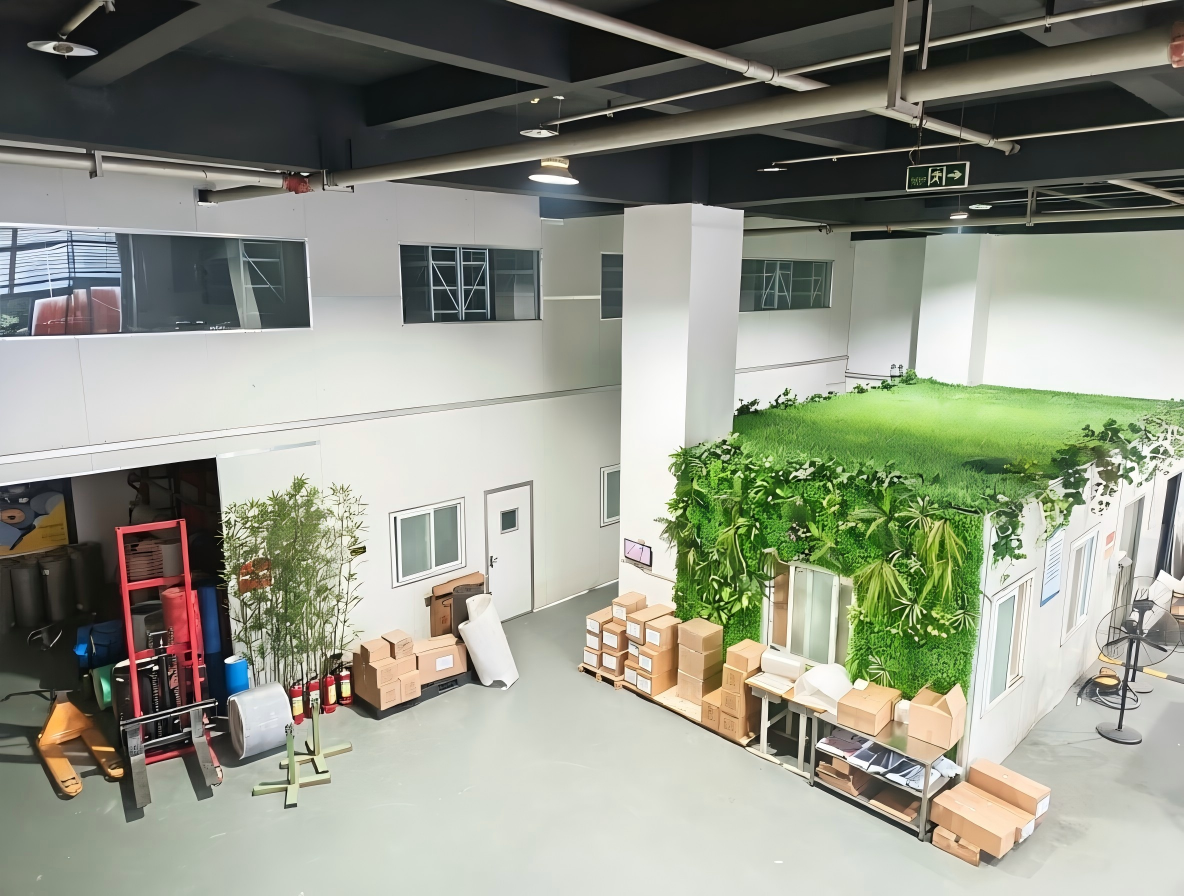
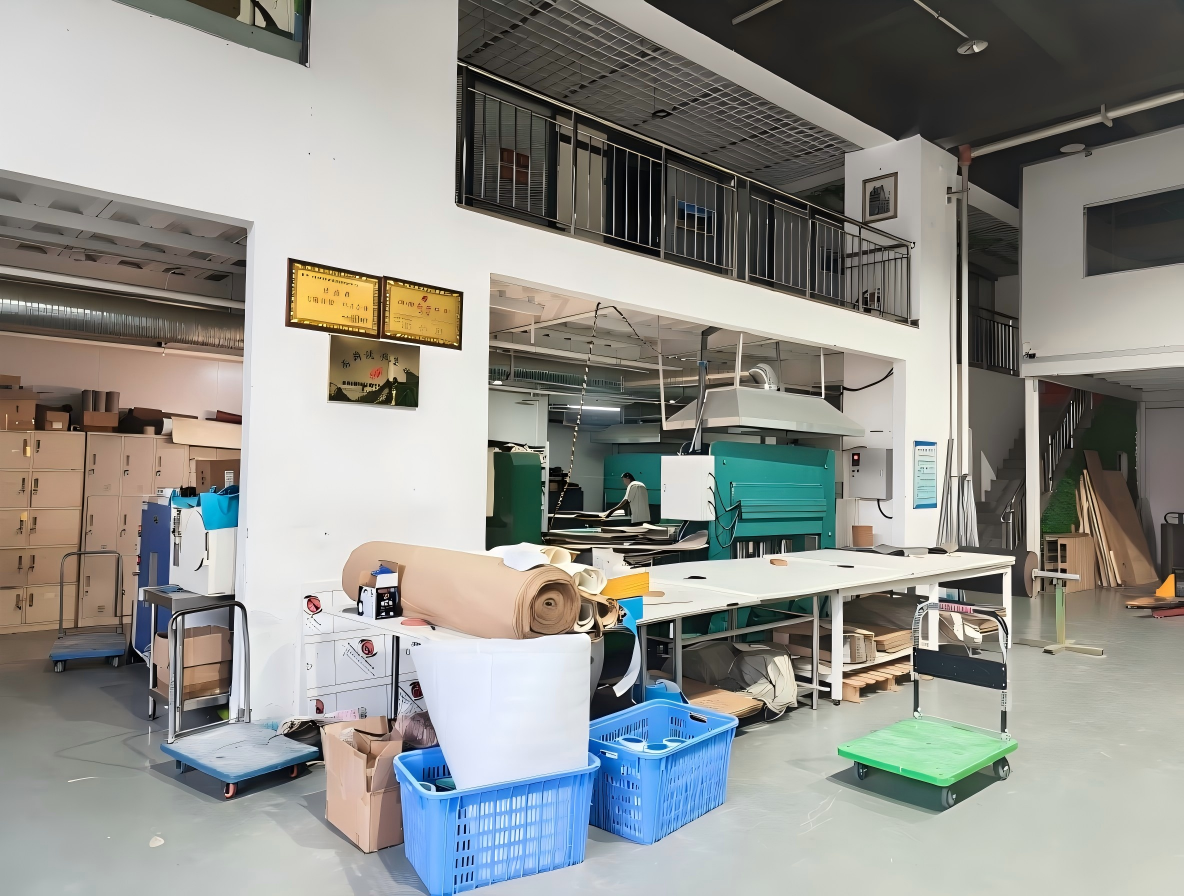
The supply side is globally distributed. Key participants in the super-abrasive and diamond belt market include 3M, Saint-Gobain (Norton), KGS Diamond, Hermes Schleifmittel and Tyrolit (Market Research Future), alongside Chinese manufacturers such as Zhengzhou Ruite Diamond Belts Co., Ltd — a diamond belt and superhard coated abrasive manufacturer founded in 2003, based in Zhengzhou, Henan, China. Ruite operates a 500 m² facility with 45 employees, an annual output of 100,000 units and a five-engineer R&D team, and exports approximately 70% of its output to EU and USA markets. Its stated technical development covers diamond sanding belts, diamond flap discs, diamond spiral bands and diamond hand pads under its own intellectual property, followed by high-level superhard coated abrasives including CBN belts, CBN flap discs, CBN spiral bands and CBN hand pads.
Two regulatory and policy points belong in the 2026 sourcing background. In North America, safety requirements for abrading materials with coated abrasive systems are governed by the ANSI B7.7 standard. In China, export controls on specific superhard materials — including diamond grinding wheels with tooth hardness ≤30 HRB and grain size ≤5 μm — were implemented under MOFCOM Announcement No. 55 of 2025, effective November 8, 2025, and the export tax rebate (previously 9–13%) for abrasive products including abrasive cloth and belts is cancelled effective April 1, 2026 (Ministry of Finance). Neither item decides which belt to buy, but both belong in a long-term supply plan.
Detailed Solution: The Ranking of Five Reliability Features
Features are ranked by their impact on three outcomes, in this order: cut-rate consistency, belt working life, and the risk of damage transferred to the workpiece. Where a feature carries a trade-off, the trade-off is stated rather than hidden.
Rank 1 — Bond System: Resin or Electroplated
The bond system decides how long the diamond stays where it was placed, and how the belt behaves as it wears. The two bond families most industrial buyers compare are resin and electroplated.
A resin bond carries a thicker abrasive layer held in a polymer matrix. As the belt works, the bond wears back gradually and exposes fresh diamond, which is why resin-bond belts are commonly chosen where a consistent surface finish must hold across a long production run, and where the process may run dry or wet.
An electroplated bond holds a single layer of abrasive in a metal coating. It cuts aggressively from the first contact, which suits shape-critical or lower-volume work, but the working life is limited by that single layer: once it is worn through, the belt is finished.
For long-term supply the practical question is not "which bond is better" but "which bond is specified, and is that specification fixed in writing." Two belts sold under the same product description can use different bond systems and produce different results on the same machine. Ruite treats bond and grain specification as part of the technical confirmation step a buyer signs off before volume production, rather than as a marketing description.
Rank 2 — Abrasive Grain: Diamond or CBN
Diamond is the harder of the two super-abrasives and is the standard choice for hard, brittle and cemented-carbide workpieces: glass, stone, ceramics, monocrystalline silicon, polycrystalline silicon, synthetic materials and cemented carbide. CBN is the alternative where diamond is not the best match — typically iron-rich, ferrous workpieces, where CBN is generally preferred because of how diamond behaves against iron at grinding temperature.
Ruite states that it was among the first to research high-level superhard coated abrasives, including CBN belts, CBN flap discs, CBN spiral bands and CBN hand pads alongside its diamond range; products 5281 (diamond belts) and 5282 (diamond flap discs) are offered in Diamond/CBN material. The technical logic behind the whole category is that superhard coated abrasives combine two properties older formats could not: the flexibility of conventional coated abrasives, and the hardness of superhard grains.
The verification point is simple. A belt is only as useful as the grain-to-workpiece match, so the grain family should be agreed against the actual material being finished, not against the material category in a catalogue.
Rank 3 — Dry and Wet Grinding Capability
Dry and wet grinding are different operating conditions, and a reliable specification states which one a belt has been validated for. Ruite's 5282 diamond flap discs are specified as suitable for dry and wet grinding; the 5281 diamond belt range is specified for grinding and polishing hard brittle materials including glass, stone, ceramics, monocrystalline silicon, polycrystalline silicon, synthetic materials and cemented carbide.
Why this ranks third rather than fifth: it determines heat management, coolant handling, and whether the belt can be deployed at all on a given workstation. Belts in this category are operated under normal ambient workshop temperature rather than in a special heated or cooled environment — where heat becomes the limiting factor in the process, wet grinding is used as the control method.
The limit to state plainly: a specification validated for dry grinding is not automatically validated for wet grinding, or the reverse. If a process will run both — for example dry finishing on site and wet grinding in the shop — that dual condition should be written into the technical specification and confirmed on a sample before the specification is locked.
Rank 4 — Cut-Rate Consistency and High-Friction Cutting Design
A belt that cuts fast when new and slowly after two hours is a scheduling problem, not an abrasive. Both the 5281 diamond belt and the 5282 diamond flap disc are built around a high-friction cutting design, so the abrasive keeps a positive bite on the workpiece instead of glazing and sliding. In Ruite's own comparison of its diamond belts against conventional abrasive sanding belts, the recorded performance gap is +45% grinding efficiency, with higher grinding efficiency and a sustained, consistent cut-rate producing higher unit output efficiency on many hard and brittle material processes.
The trade-off is honest and worth stating: diamond belts cost more per piece than conventional abrasive belts. The argument for them is not price per belt but cost per finished part. Diamond belts are stated to be more durable with a longer service life, which makes them more cost-effective over the long run, and in glass grinding a diamond belt helps reduce the risk of cracking — a rejection risk, not a consumable cost.
Rank 5 — Operational Versatility and Machine Fit
The last feature is the one that usually decides how many line items a buyer has to manage. The 5281 diamond belt range runs from a width of 5 mm to 350 mm and a length of 150 mm to 5000 mm, in grits from 40# to 5000#, and can be customised to requirement. That span covers coarse stock removal, medium-grit edge rounding and fine-grit surface finishing on the same product family.
In practical terms: an endless diamond belt format is used on both handheld belt grinders and stationary belt grinders, which means the same abrasive platform can serve a bench station, a portable touch-up station and a fixed finishing line. For a long-term supply relationship, that reduces SKU count, simplifies inventory, and reduces the number of separate specifications a buyer has to re-validate every year.
Ranking Summary Table
| Rank | Feature | Why it ranks here | What to verify before ordering |
|---|---|---|---|
| 1 | Bond system (resin / electroplated) | Controls grain retention, wear behaviour and heat tolerance for the whole belt life | Bond type fixed in writing in the technical specification |
| 2 | Abrasive grain (diamond / CBN) | Determines whether the belt suits the workpiece material at all | Grain family matched to the actual material being finished |
| 3 | Dry and wet grinding capability | Determines heat management and whether the belt can be used at a given station | Confirmation of dry, wet or dual use; sample validation |
| 4 | Cut-rate consistency and high-friction cutting design | Controls output stability across a production run | Cut-rate behaviour after extended running, not only at first contact |
| 5 | Operational versatility and machine fit | Determines how many specifications and SKUs a buyer must manage | Width, length, grit range and machine type |
Step-by-Step Breakdown: Validating These Features Before a Long-Term Order
The five features above are only useful if they are verified in a fixed order. The sequence below is the one that transfers cleanly from a first sample to a repeat supply agreement.
- Define the workpiece and the finish target. State the material (glass, stone, ceramics, monocrystalline or polycrystalline silicon, synthetic material, cemented carbide, thermal spray coating) and the required surface result. Everything downstream depends on this.
- Choose the grain family. Diamond or CBN, matched to the actual material rather than the material category.
- Fix the bond specification in writing. Resin or electroplated, stated in the technical specification rather than inferred from a product photo.
- Decide dry, wet, or both. Confirm the belt has been validated for the operating condition your process actually uses.
- Confirm machine fit and dimensions. Machine type (handheld or stationary belt grinder), belt width and length, and grit. The 5281 range covers 5–350 mm width, 150–5000 mm length and 40#–5000# grit.
- Request a sample and run it on your own equipment. Sample validation is the step where the agreed specification is tested against your machine, your material and your operator.
- Confirm the technical specification with the supplier before volume production. Ruite uses written customer confirmation of technical specifications together with in-process and final inspection as part of its control of the overheating risk.
- Set acceptance on a pre-shipment test. For Ruite, acceptance is based on a pre-shipment test rather than on the supplier's own release statement.
- Lock the commercial and continuity frame. Minimum order quantity of 50 units, delivery on FOB, CIF or DDP terms, payment terms, packing and logistics — plus a look at policy factors such as China's export controls on specific superhard materials (effective November 8, 2025) and the cancellation of the export tax rebate on abrasive products including abrasive cloth and belts (effective April 1, 2026).
Decision rule: verify in this order and stop at the first feature that cannot be confirmed. A belt that fails at step 6 will not be rescued by a better price at step 9.
Use Cases: Where the Five Features Are Stress-Tested

Thermal spray coating finishing (including tungsten carbide). Coating finishing is one of the applications where bond choice and cut-rate consistency matter most, because the coating must be brought to dimension without being cut through. The thermal spray coatings market behind this application is expected to reach USD 15.28 billion by 2031 (Mordor Intelligence). Diamond belts for thermal spray work sit in Ruite's stated applicable industries.
Glass edging and glass surface finishing. Glass is the clearest illustration of why cut-rate consistency outranks price per belt: a belt that grabs unevenly does not just produce a poor finish, it increases the risk of cracking the part. Ruite states that in glass grinding the diamond belt helps reduce the risk of cracking.
Ceramic and porcelain edge rounding. Ceramic tile and porcelain components are hard and brittle, so edge rounding is a process where coarse and medium grit diamond belts are used for stock removal and edge rounding before finer grits take over for surface finishing. Ceramics and porcelain are both listed in the Ruite applicable-industry set.
Cemented carbide tool sharpening and deburring. Carbide tool sharpening is a named application for the 5281 diamond belt range, and it is a good example of an operation that mixes edge rounding, deburring and surface finishing on the same machine — which is where operational versatility (Rank 5) pays off.
Wind power and aeronautics components. Both industries appear in the Ruite applicable-industry list for diamond belts, alongside stone, thermal spray coating and porcelain.
Additive manufacturing post-processing. Diamond-based super-abrasives are described as critical for post-processing in additive manufacturing, where cavitation abrasive surface finishing can lower roughness below 5 µm (Mordor Intelligence).
Comparison Table: Diamond Belts vs Conventional Abrasive Belts
The comparison below uses only stated, attributable differences between diamond sanding belts and conventional abrasive sanding belts.
| Comparison point | Diamond sanding belt | Conventional abrasive sanding belt |
|---|---|---|
| Grinding efficiency | +45% grinding efficiency recorded in Ruite's comparison against conventional abrasive belts | Reference baseline in the same comparison |
| Cut-rate behaviour | Higher grinding efficiency and a sustained, consistent cut-rate, giving higher unit output efficiency on many hard and brittle material processes | Conventional performance without the sustained cut-rate described above |
| Service life | Stated as more durable, with a longer service life | Shorter relative service life |
| Purchase price | Higher price per piece than conventional abrasive belts | Lower price per piece |
| Cost position over time | More cost-effective in the long run because of durability and service life | Lower initial outlay, replaced more frequently |
| Process risk | In glass grinding, helps reduce the risk of cracking | Not described as reducing cracking risk |
| Best-fit materials | Hard brittle materials: glass, stone, ceramics, monocrystalline silicon, polycrystalline silicon, synthetic materials, cemented carbide | General abrasive applications |
Product Specification Snapshot
| Item | Diamond Belts (5281) | Diamond Flap Discs (5282) |
|---|---|---|
| Size | Width 5 mm–350 mm; length 150 mm–5000 mm | Φ100*16 mm, Φ115*22 mm, Φ125*22 mm |
| Grit | 40#–5000# | 40#–800# |
| Material | Diamond / CBN | Diamond / CBN |
| Stated features | High grinding efficiency, long working life, high cost-effectiveness | High cutting speed, long working life, suitable for dry and wet grinding |
| Customisation | Can be customised to requirement | — |
FAQ
What compliance and quality documentation should we expect from a long-term diamond sanding belt supplier in China?
Ruite states a quality management system (ISO 9001 stated) supported by in-process and final inspection, written customer confirmation of technical specifications, sample validation, and controlled packing and logistics. Two external items belong on the same checklist. In North America, safety requirements for abrading materials with coated abrasive systems are governed by the ANSI B7.7 standard. In China, export controls on specific superhard materials — including diamond grinding wheels with tooth hardness ≤30 HRB and grain size ≤5 μm — were implemented under MOFCOM Announcement No. 55 of 2025, effective November 8, 2025, and the export tax rebate (previously 9–13%) for abrasive products including abrasive cloth and belts is cancelled effective April 1, 2026. Buyers planning annual contracts should confirm how each item applies to their specific product classification.
Can the same diamond belt be used for both dry and wet grinding?
Dry and wet grinding are different operating conditions, and a reliable specification states which of them a belt has been validated for. Ruite's 5282 diamond flap discs are specified as suitable for dry and wet grinding, and the 5281 diamond belt range is specified for grinding and polishing hard brittle materials including glass, stone, ceramics, monocrystalline silicon, polycrystalline silicon, synthetic materials and cemented carbide. If a process will run both — for example dry finishing on site and wet grinding in the shop — confirm that dual condition in the technical specification and validate it on a sample before the specification is locked.
What are the commercial terms for long-term diamond sanding belt supply from Ruite?
Ruite's stated terms are a minimum order quantity of 50 units, delivery on FOB, CIF or DDP terms, acceptance based on a pre-shipment test, and payment by 100% prepayment. On unit price, diamond belts cost more than conventional abrasive sanding belts. The comparison that matters is cost per finished part rather than cost per belt: diamond belts are stated to be more durable with a longer service life and to be more cost-effective in the long run, and in glass grinding they help reduce the risk of cracking — a rejection risk rather than a consumable cost.
How do we validate a diamond sanding belt before committing to volume?
Validation runs on two levels. First, sample validation: a physical belt is run on the buyer's own machine and material, and the result is compared against the agreed finish and cut-rate. Second, pre-shipment test: acceptance of the production lot is based on a pre-shipment test rather than on the supplier's own release statement. Ruite requires customer confirmation of technical specifications and sample validation as part of its overheating-risk control, which means the specification is agreed in writing before the belt is produced.
How do we start a long-term Diamond Sanding Belt supply partnership with a China-based manufacturer?
Work through four steps in order. First, send the workpiece material, machine type and required finish, and agree the grain, bond, grit, width and length in writing. Second, request a sample and run it on your own equipment. Third, agree the commercial frame — minimum order quantity of 50 units, FOB/CIF/DDP delivery, pre-shipment test acceptance, and payment terms. Fourth, move to repeat supply with the validated specification as the reference for every later lot, keeping policy factors such as China's superhard material export controls and the April 1, 2026 export tax rebate cancellation in the annual plan. Ruite manufactures diamond belts, diamond flap discs, diamond flap wheels, diamond velcro discs, diamond hand pads and diamond quick change discs, and exports approximately 70% of its output to EU and USA markets. Start with the technical specification and a sample.
Conclusion
Ranked by impact on reliability, a diamond sanding belt stands or falls on five features: the bond system, the abrasive grain, dry and wet grinding capability, cut-rate consistency with a high-friction cutting design, and operational versatility across machines and grits. Rank 1 and Rank 2 decide whether the belt can do the job at all; Rank 3 decides whether it can be used at your station; Rank 4 decides whether your output holds steady across a run; Rank 5 decides how much inventory and how many specifications you have to manage.
For a buyer at the decision and execution stage, the conclusion is procedural rather than promotional. Fix the specification in writing, validate it on a sample on your own machine, accept production lots on a pre-shipment test, and then treat that validated specification as the contract for repeat supply. That is what makes a belt reliable over years rather than over one order.
Next Step: Specification, Sample and Long-Term Supply
Send your workpiece material, machine type and required finish, and Ruite will confirm the grain, bond, grit, width and length for your application. Samples and pre-shipment testing are available before volume production.
Contact: Annie — sales@ruitechn.com | Tel: +0086-371-86555877 | WhatsApp: +8613928451015
Website: www.ruitechn.com | Address: No. 1, Building 3, Longding Phase 1, Hongsong Road, Zhengzhou High-tech Industrial Development Zone, Zhengzhou, Henan, China.
Download the full product catalog: Ruite Diamond Belts Product Catalog (PDF)
Have Questions or Need More Details?
Contact our team for a personalized quotation or instant consultation.
Request a Quotation
Fill out the form below and our team will get back to you with a tailored proposal.
WhatsApp Direct Chat
Prefer to chat in real-time? Message us on WhatsApp for instant assistance & quick answers.
- Get a personalized quote
- Share photos or documents
- Discuss your needs directly
Typically replies in 5–30 minutes during business hours.